- Baltic Leaders’ Morning: Is Your Business Ready for a Cyberattack?
- Primend Is the 2026 Microsoft Partner of the Year Winner in Latvia
- Aidas Vyšniauskas Has Joined the Primend Team to Lead the Development of Our Cloud Server Services
- When Hackers Turn Up the Heat: The Cyberattack That Spoiled an Entire Supply Chain
- CyberChess 2026: AI Accelerates Cybersecurity, but Doesn’t Change the Fundamentals
- RIGA COMM 2026: What Baltic Companies Still Get Wrong About NIS2
- Microsoft Is Reshaping Copilot. What Should Businesses Know?
- Primend Joins the Estonian Defence and Aerospace Industry Association
- M365 Copilot Business licenses for small and mid-sized businesses
- Copilot Licenses 50% Off Until the End of the Year
- Monthly billing for Microsoft 365 Copilot annual term subscriptions
- Microsoft price increase for monthly billing for annual term subscriptions from April 1, 2025
- Teet Raudsep - CEO of Primend Group
- Important Microsoft 365 licensing changes in Europe
- Primend is now a Microsoft Solutions Partner for Modern Work
- Microsoft announced important price changes
- Primend is recognized as the winner of 2023 Microsoft Estonia Partner of the Year
- Cloud service focused companies Primend and Digifi will merge
- Press Release | Primend and Bondora give desktop computers to two schools
- Press Release | Primend gives tablets computers to Ida-Viru Central Hospital
- Primend helped SYNLAB to gift tablets to general nursing homes
- Press Release | Primend and Iteraction to merge
- Primend is the Microsoft Partner of the Year 2020 in Estonia
- Elering implemented remote work tool Microsoft Teams with the help of Primend
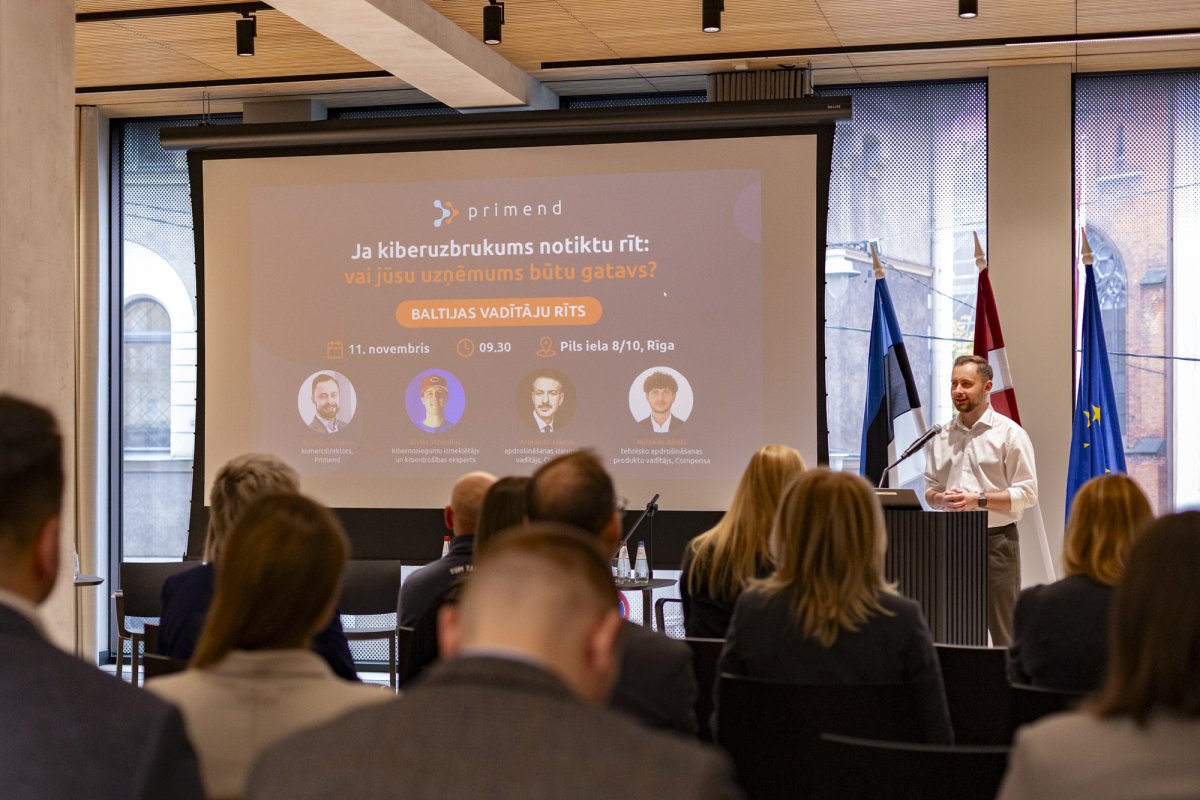
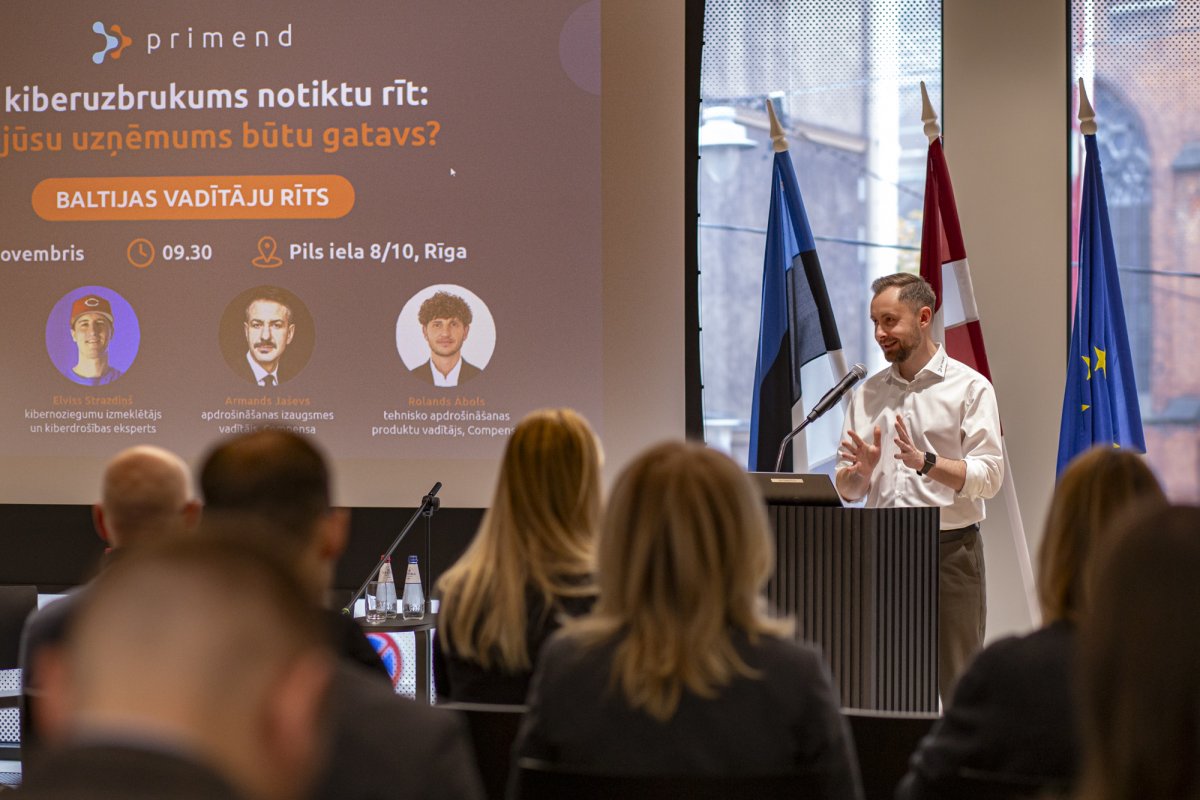
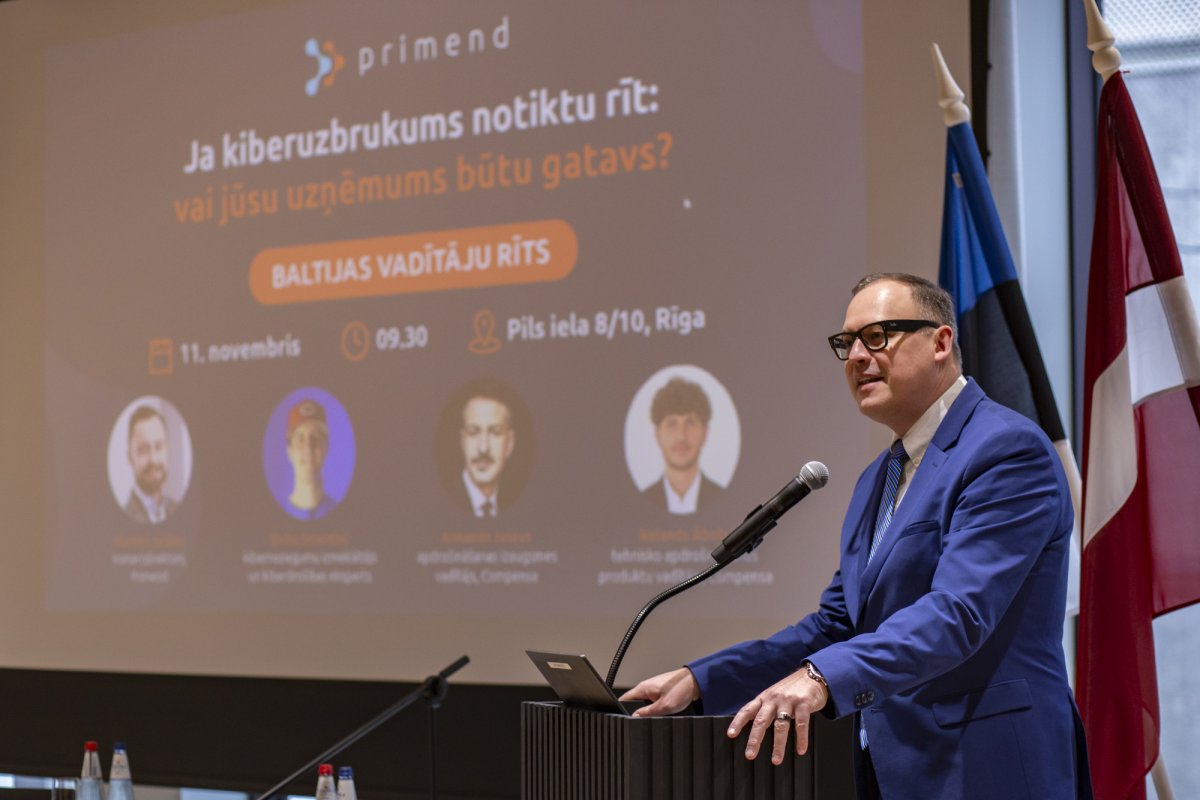
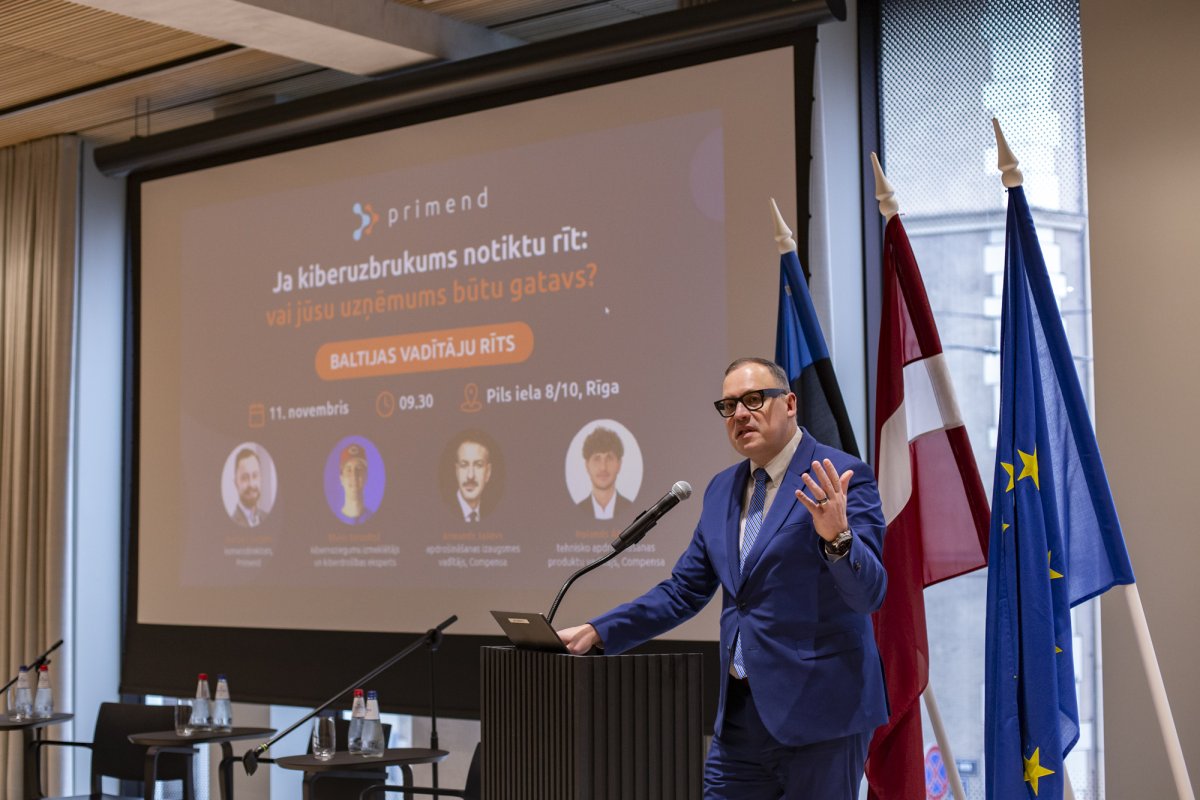
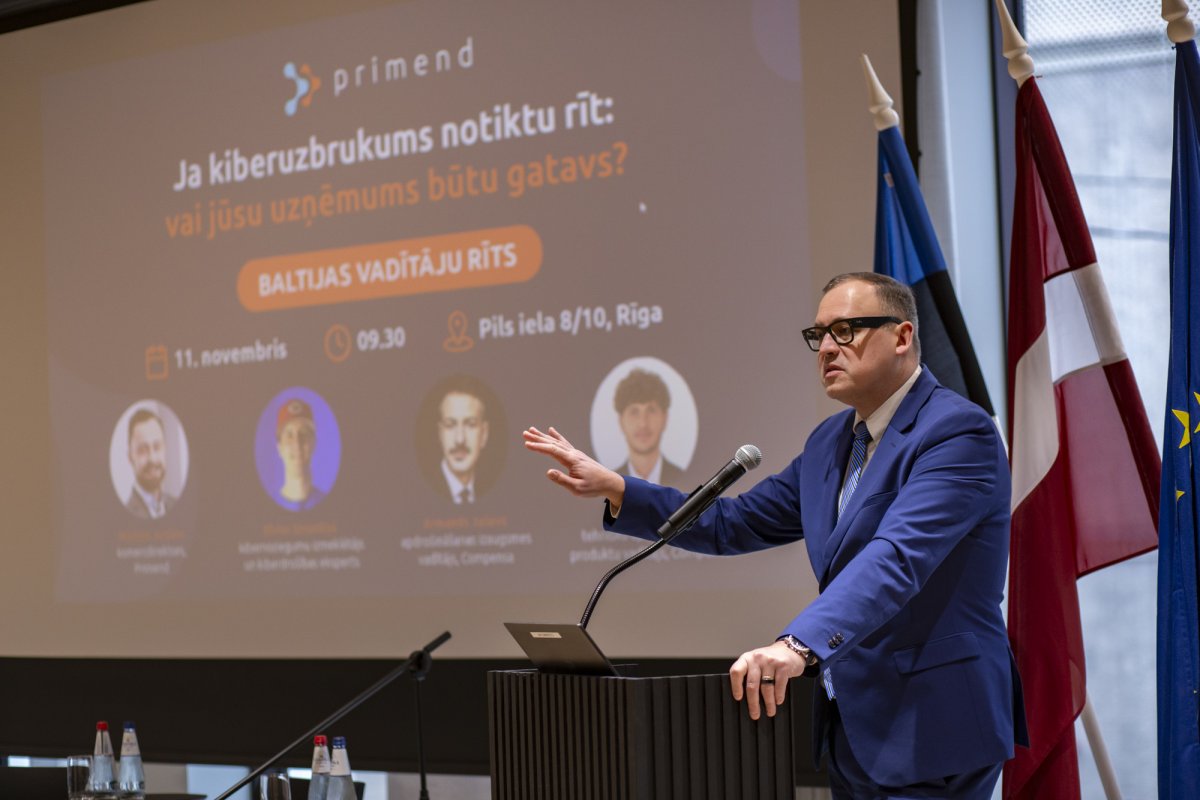
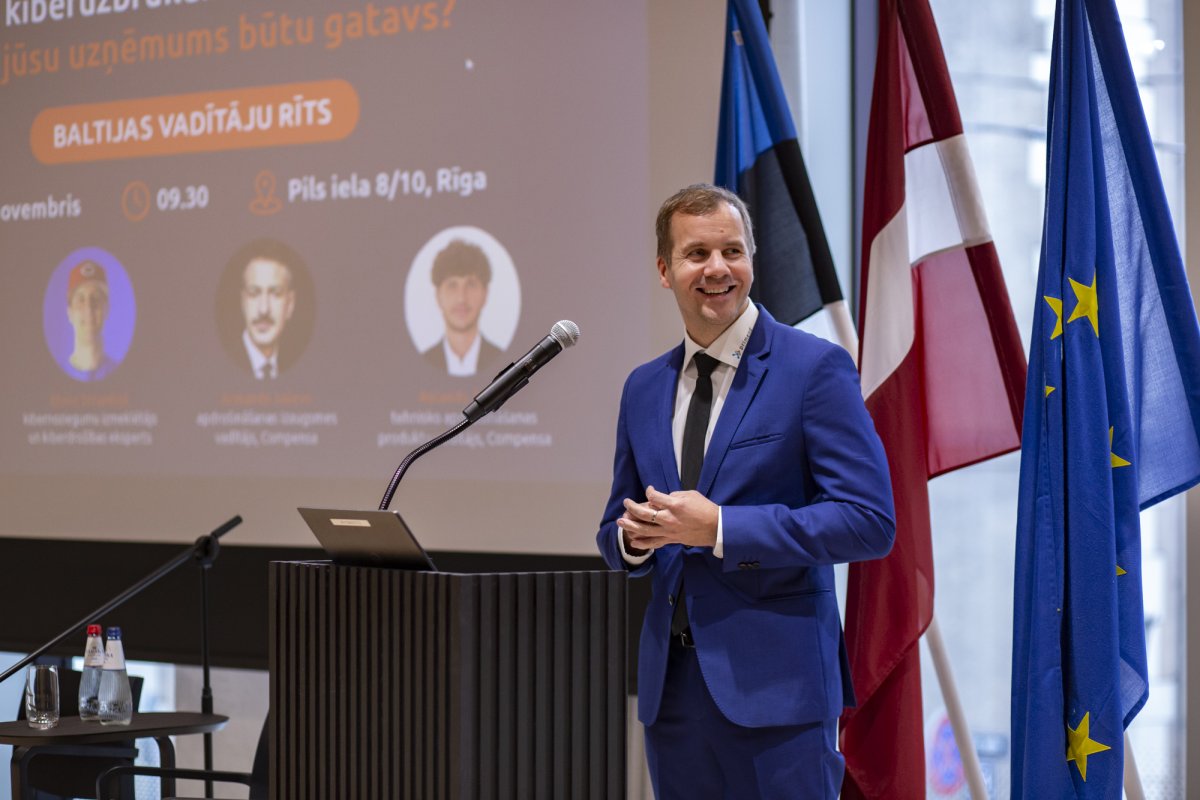
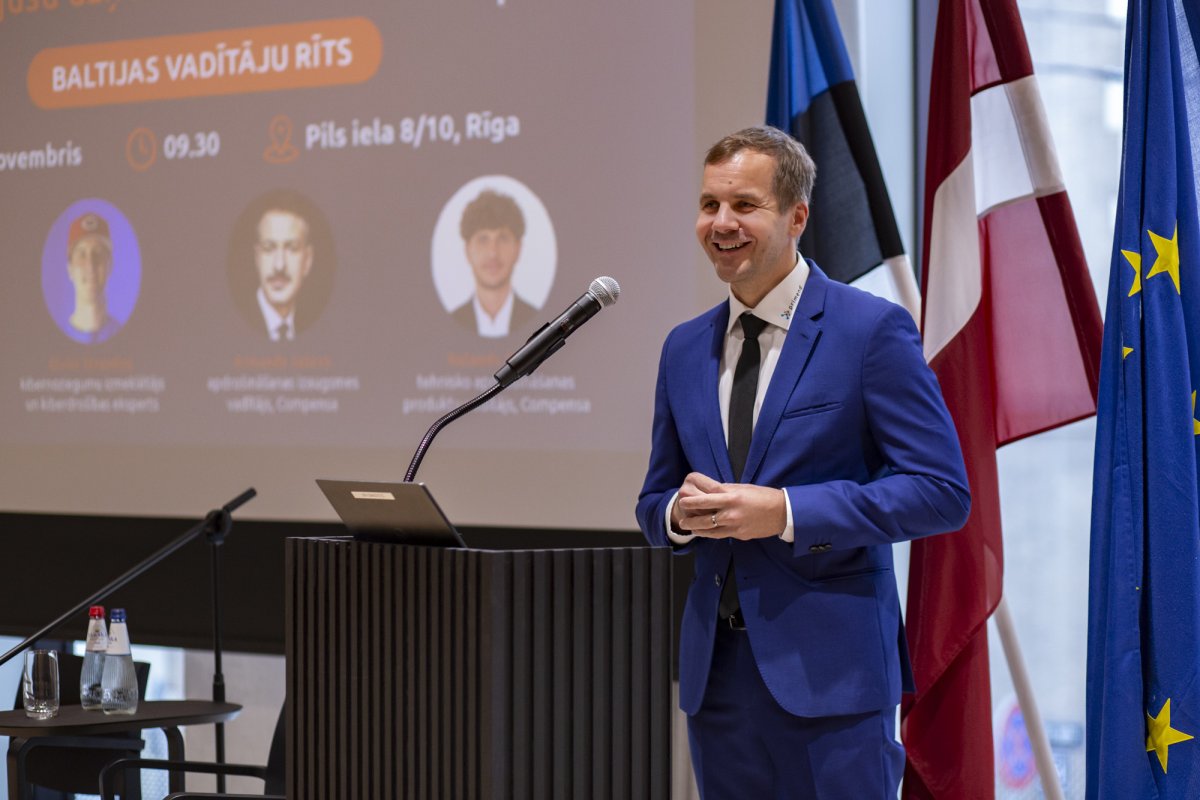
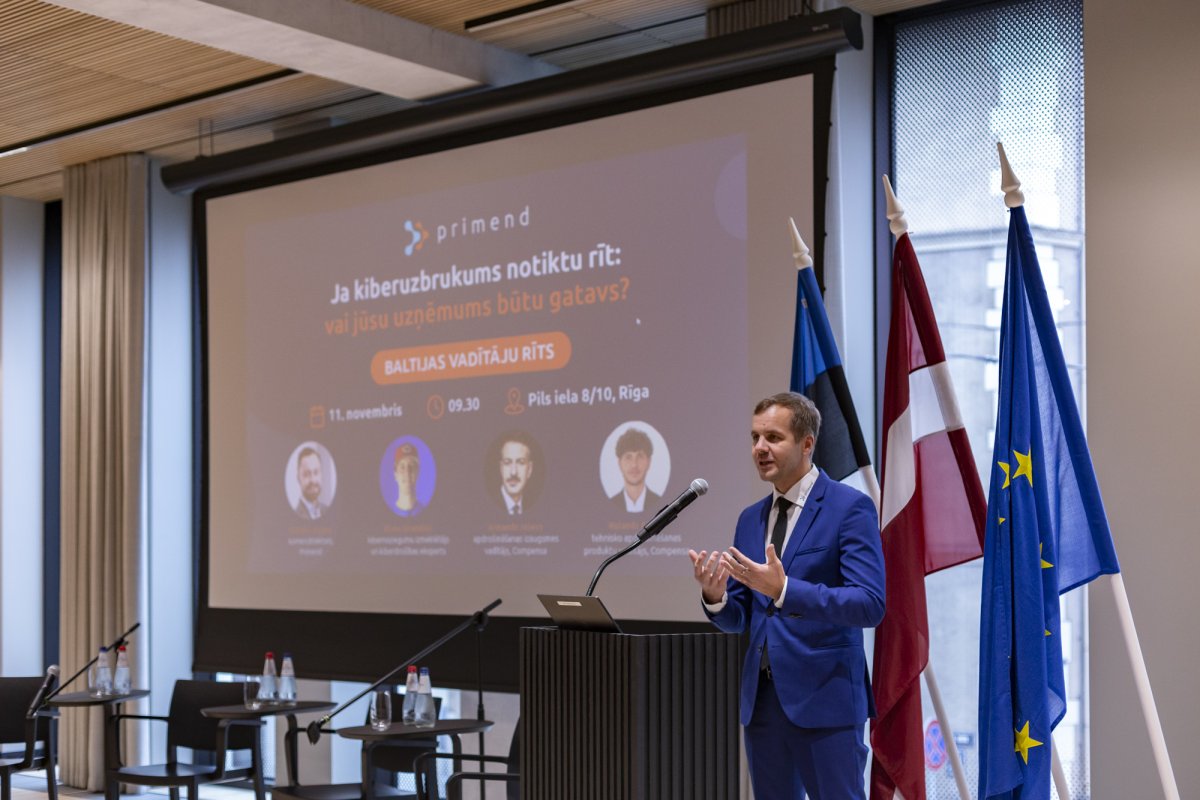
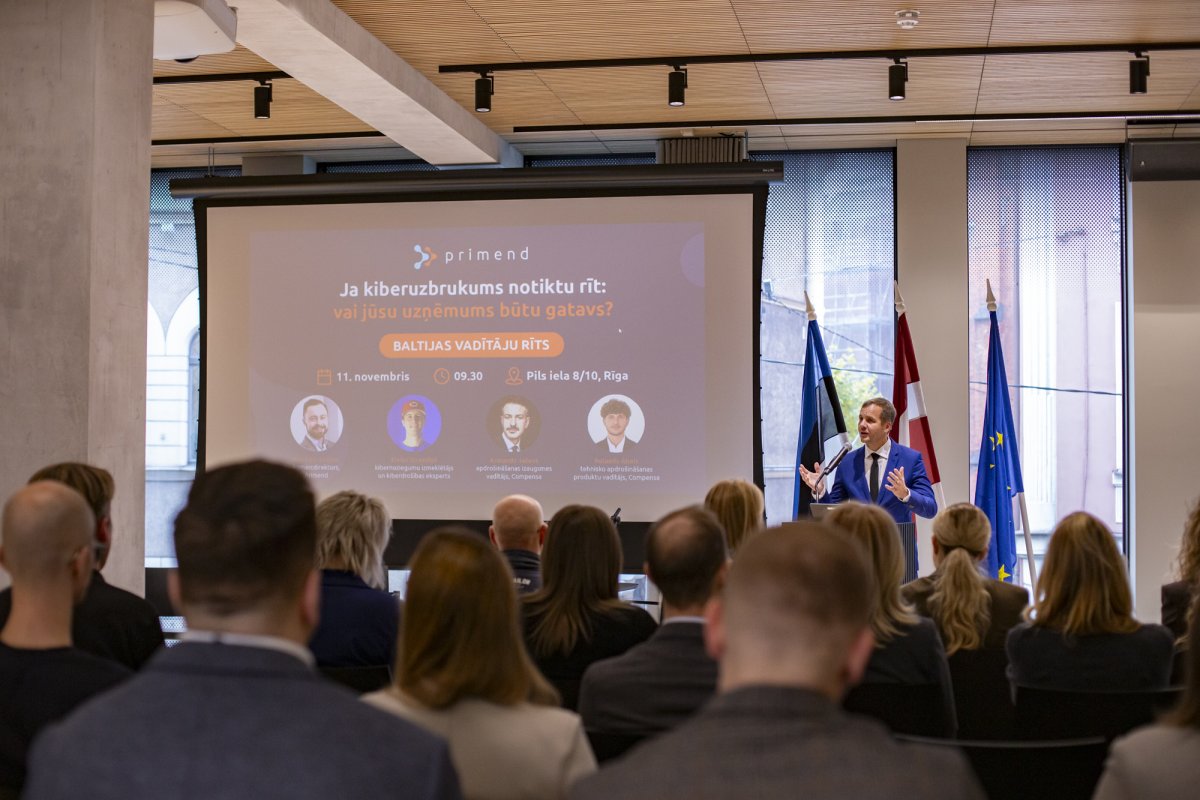
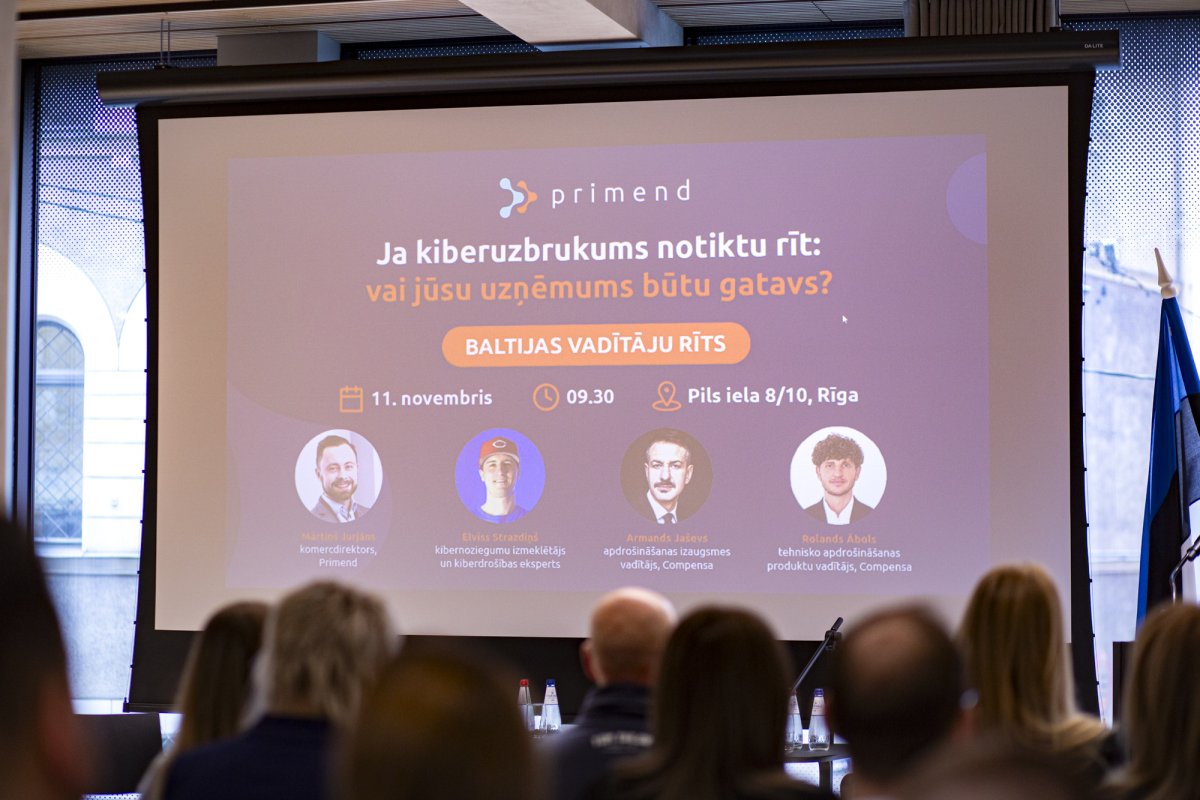
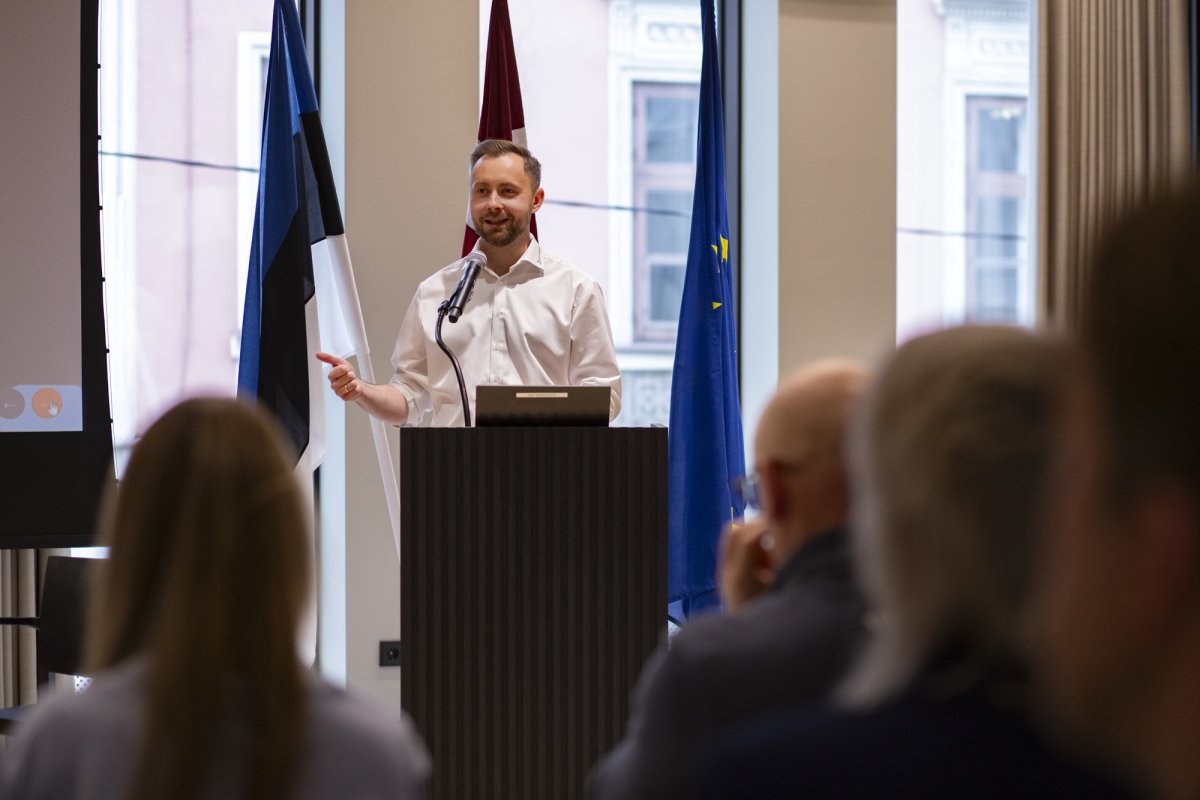
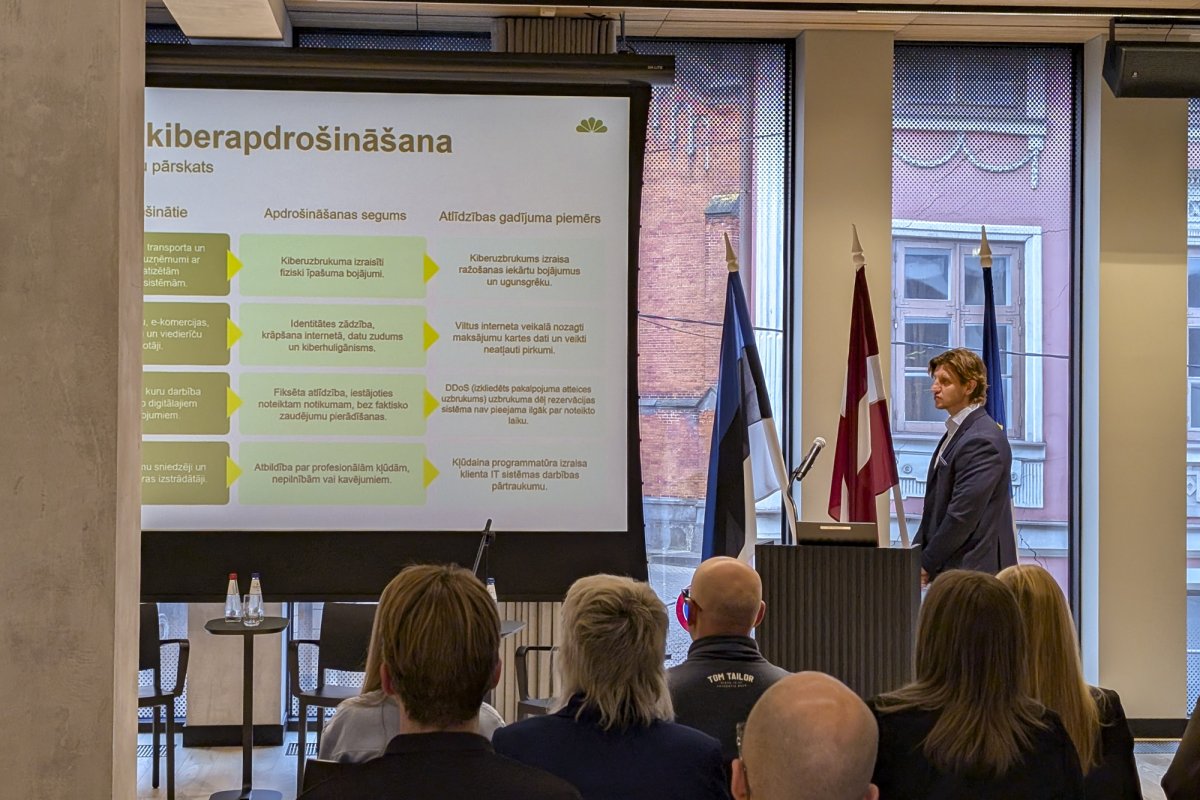
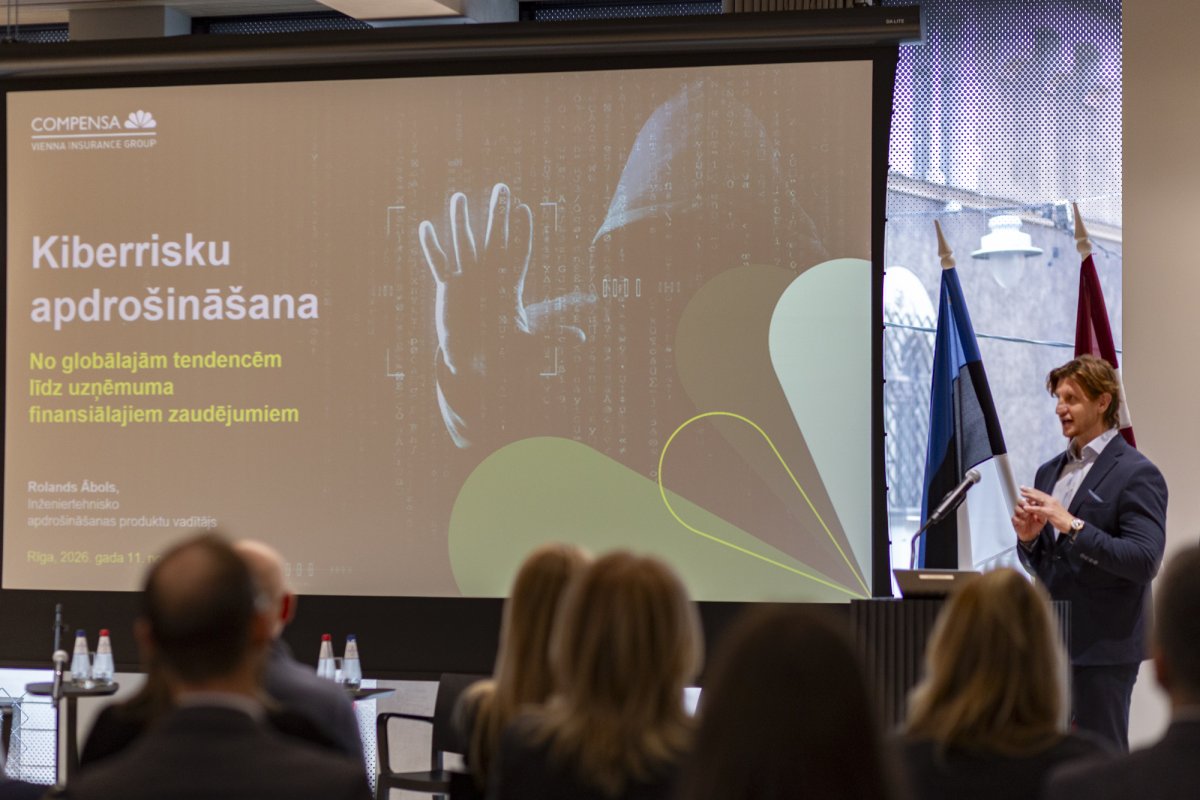
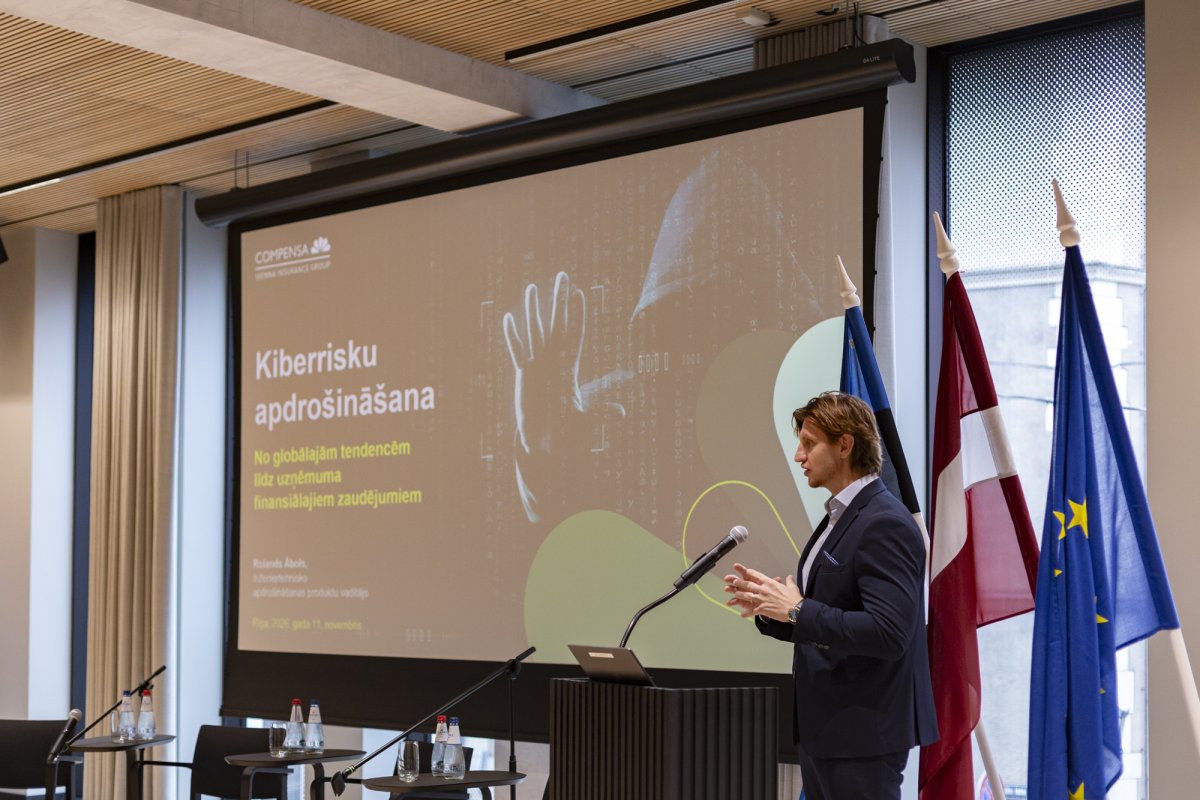
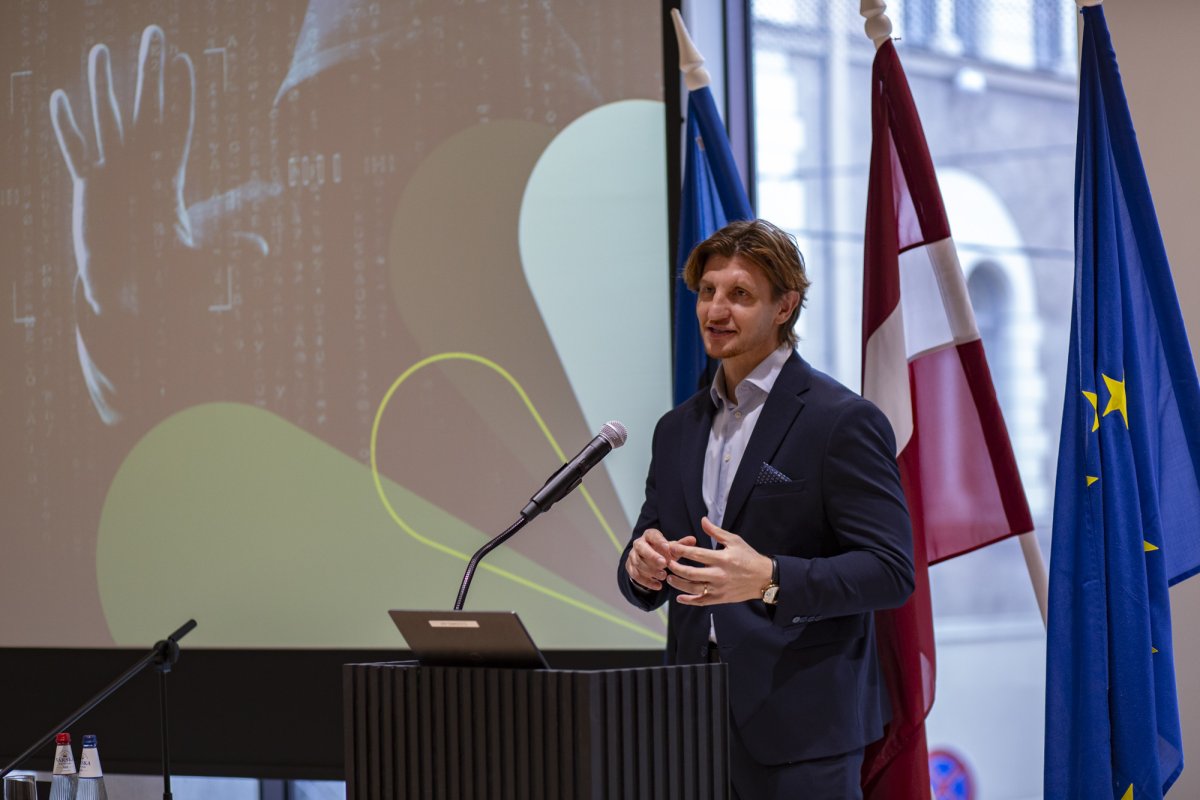
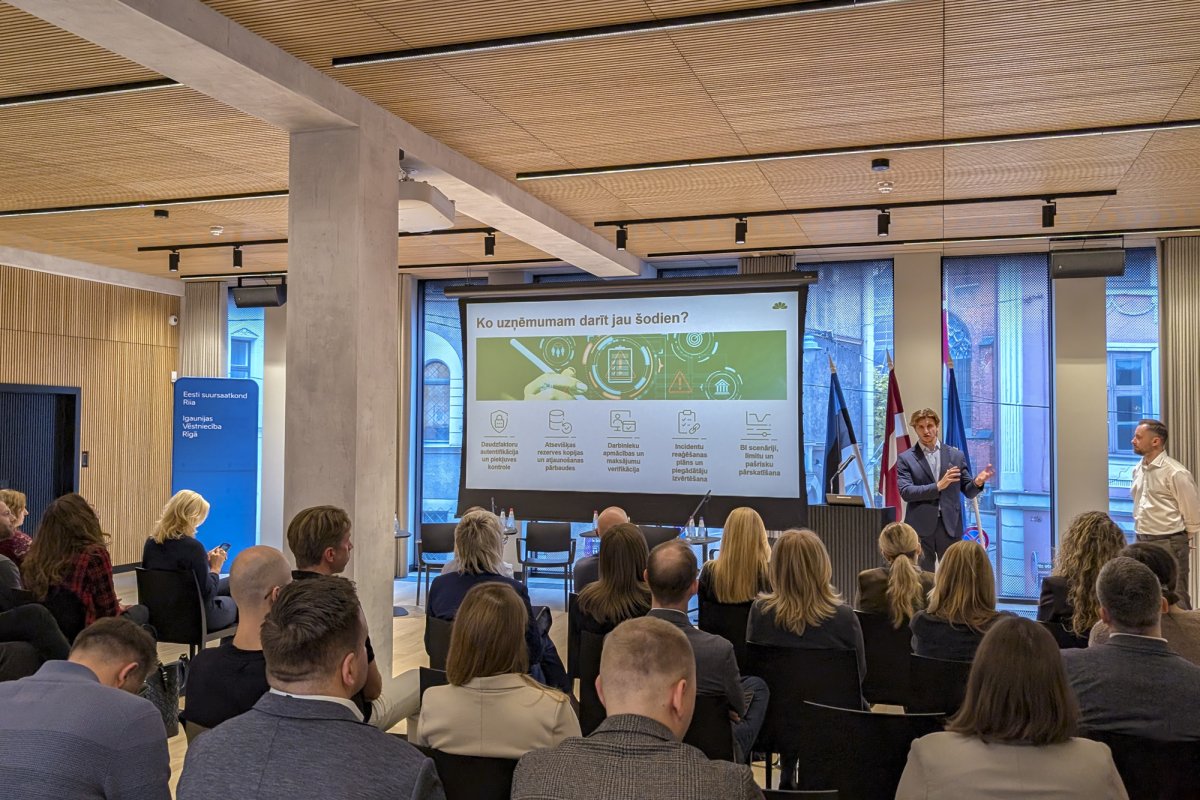
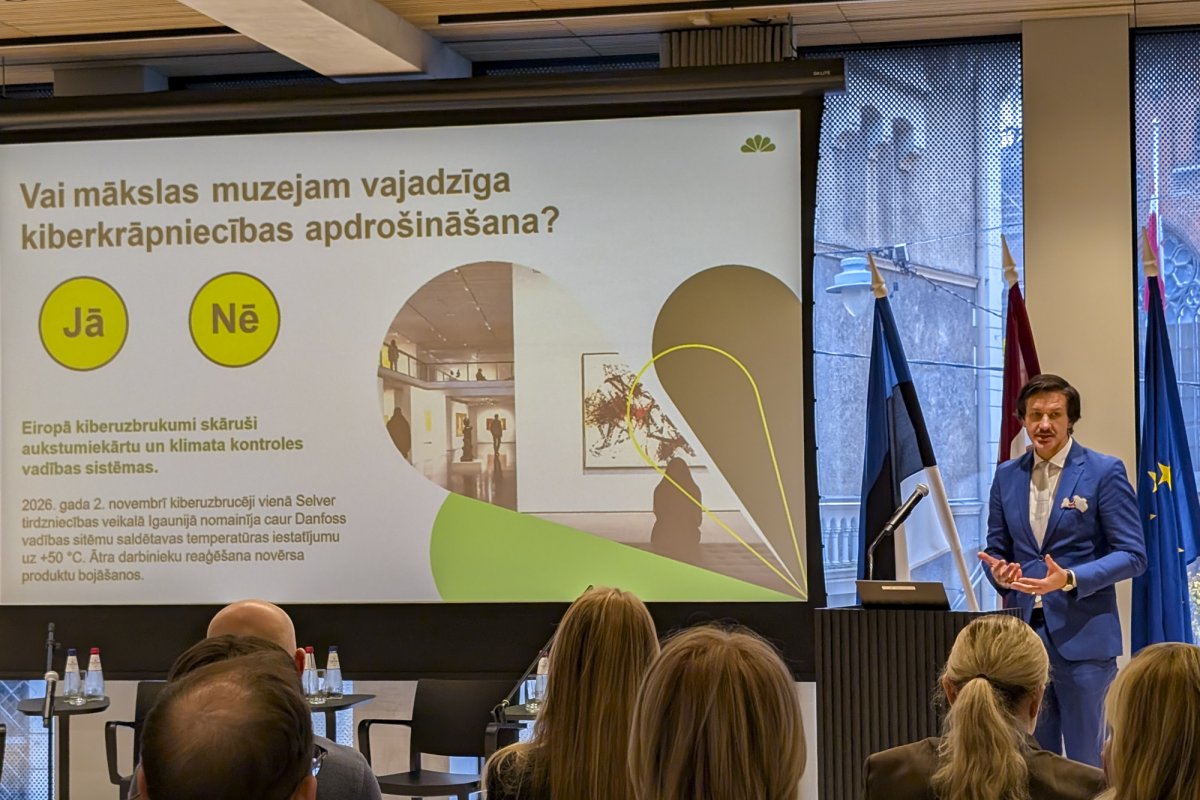
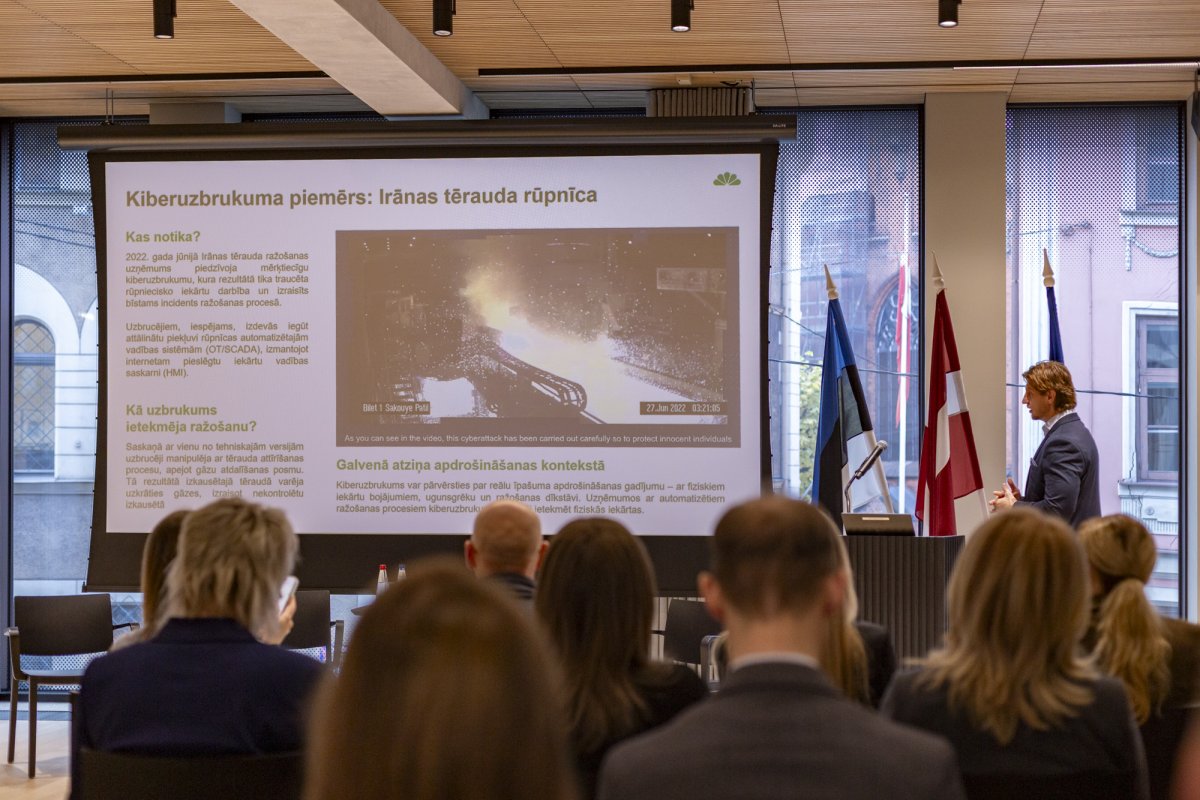
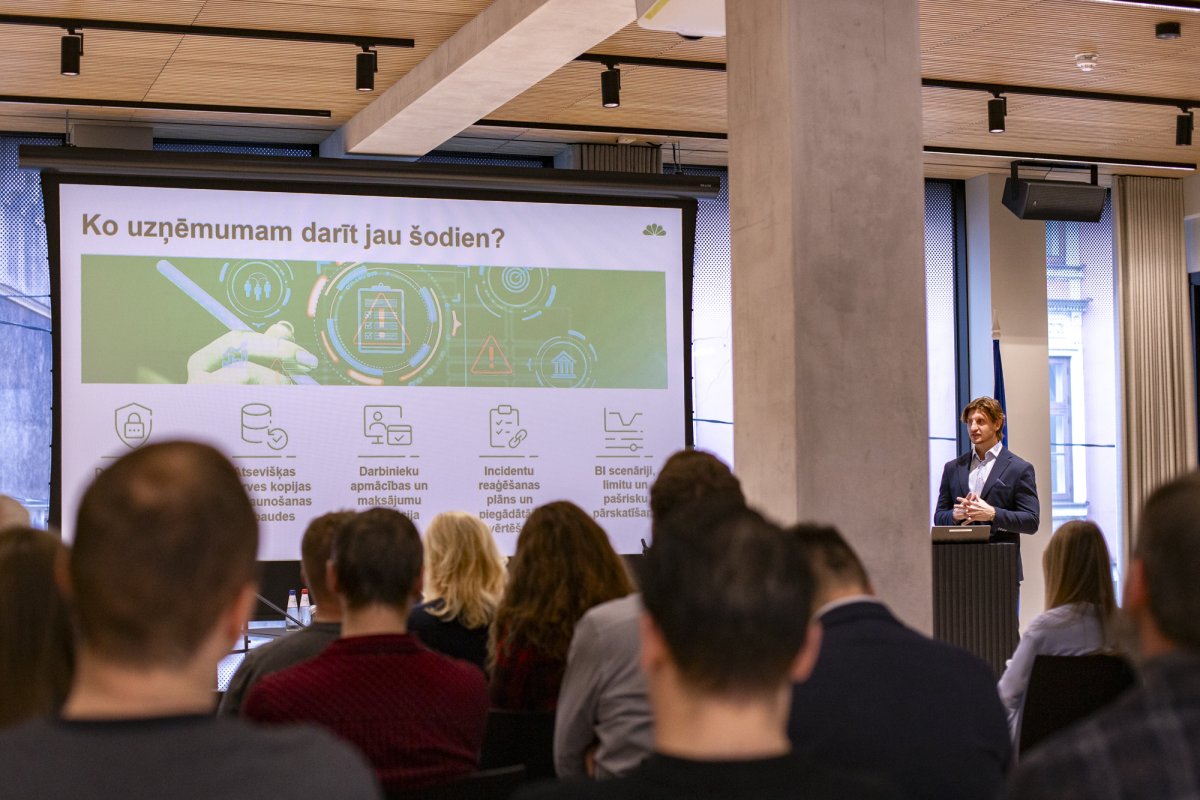
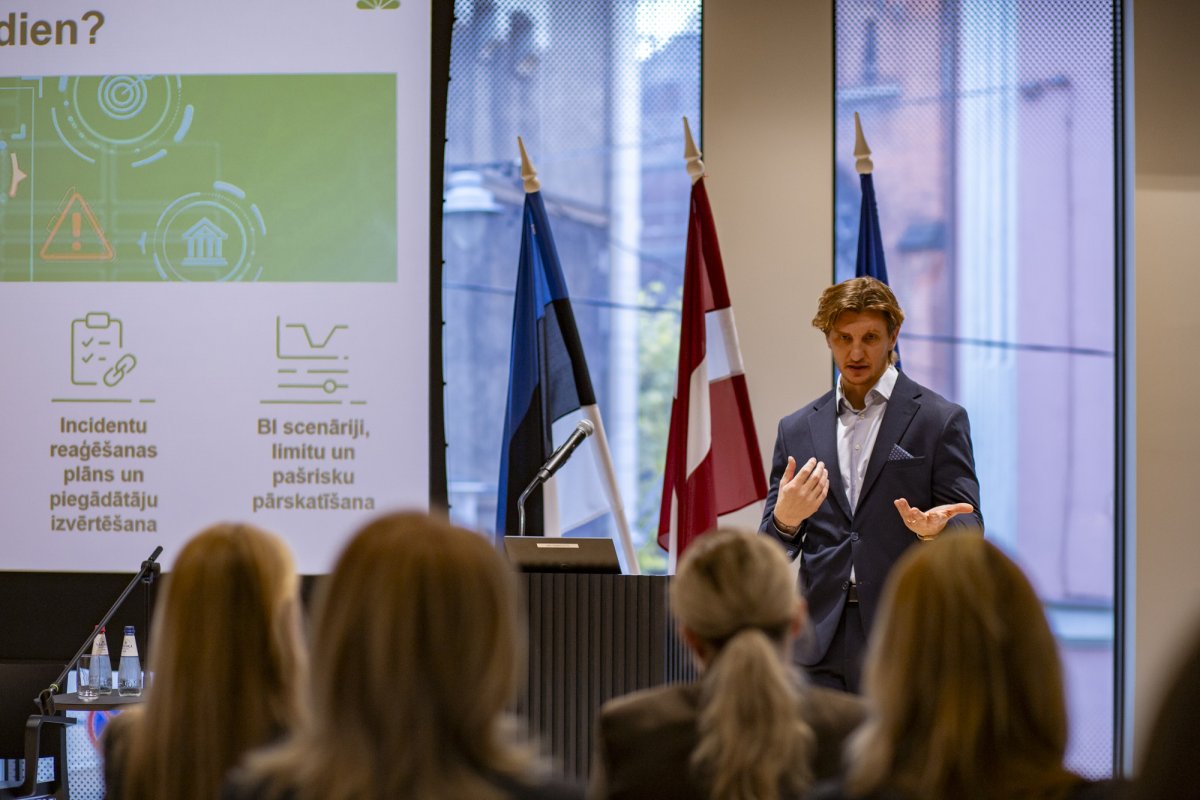
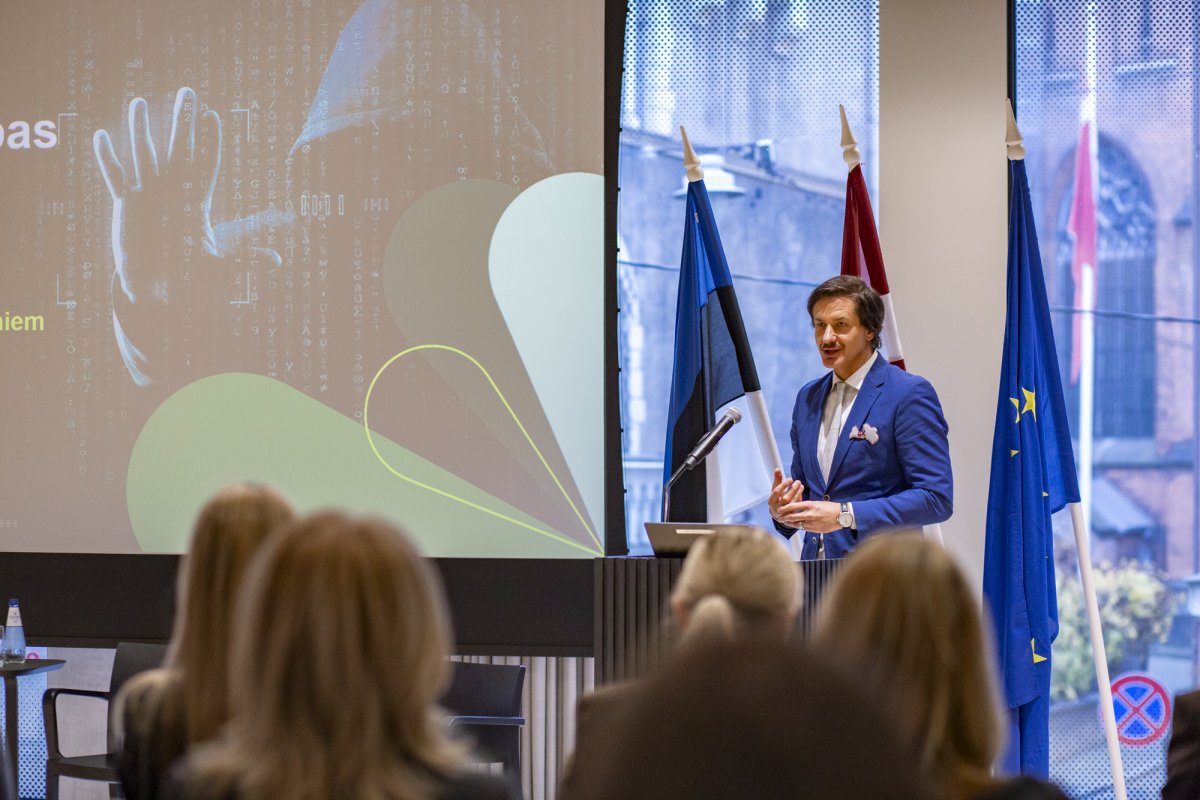
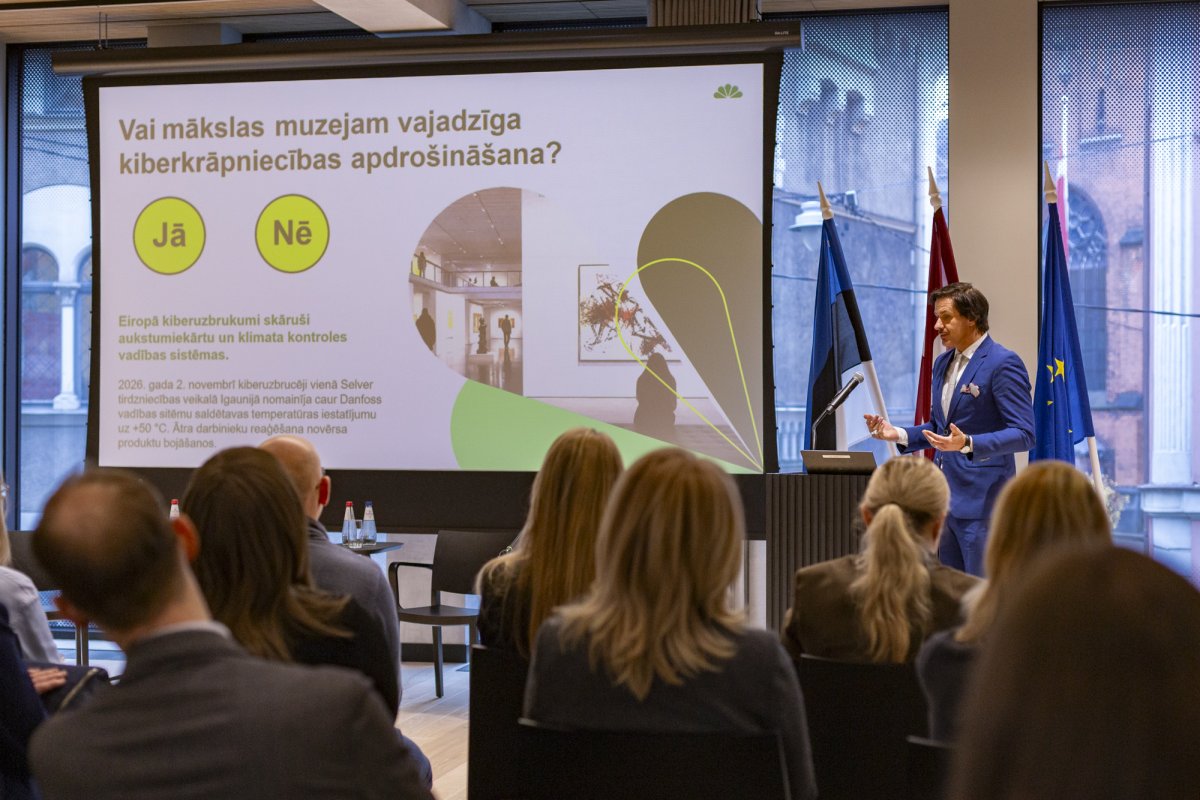
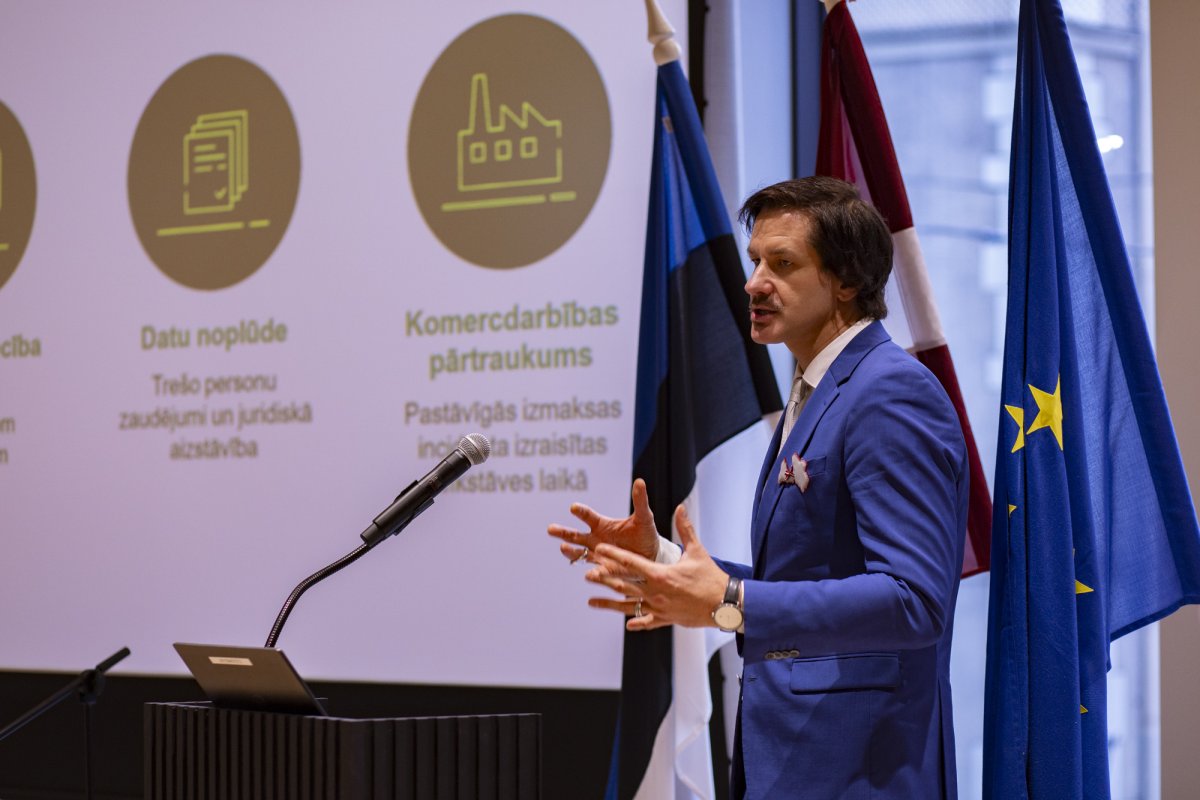
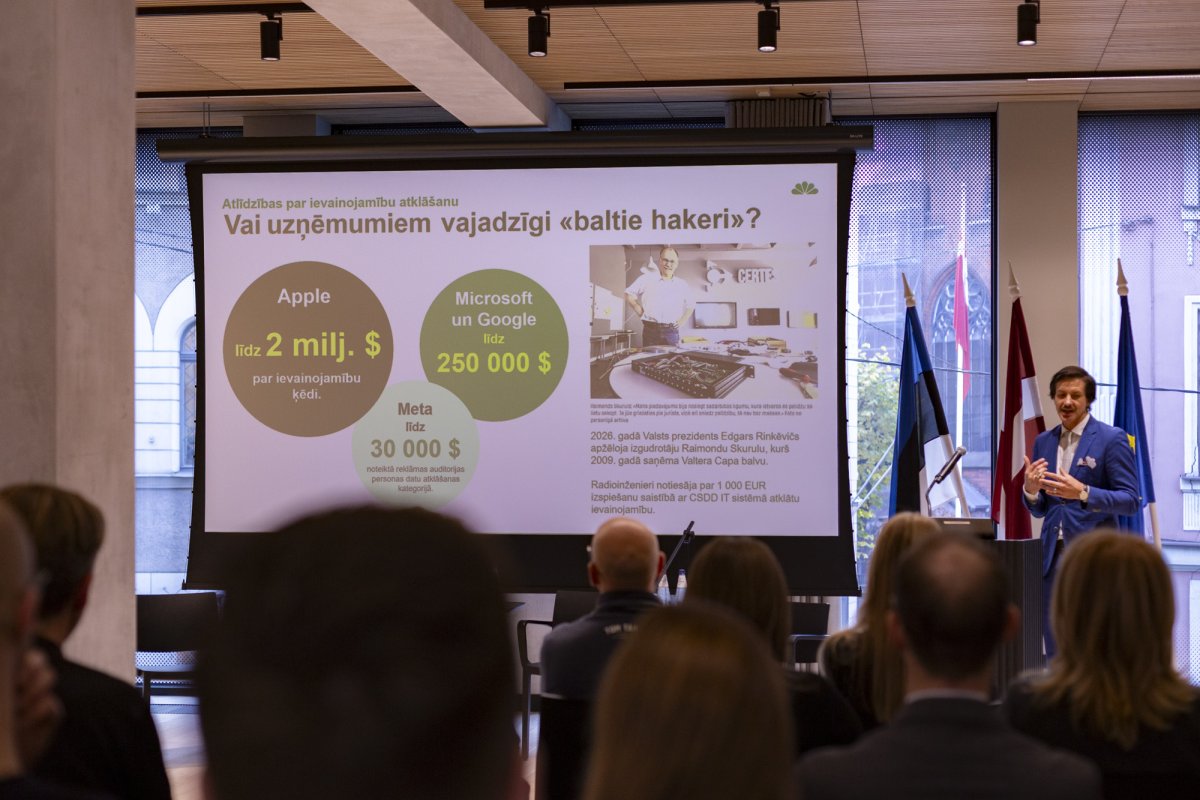
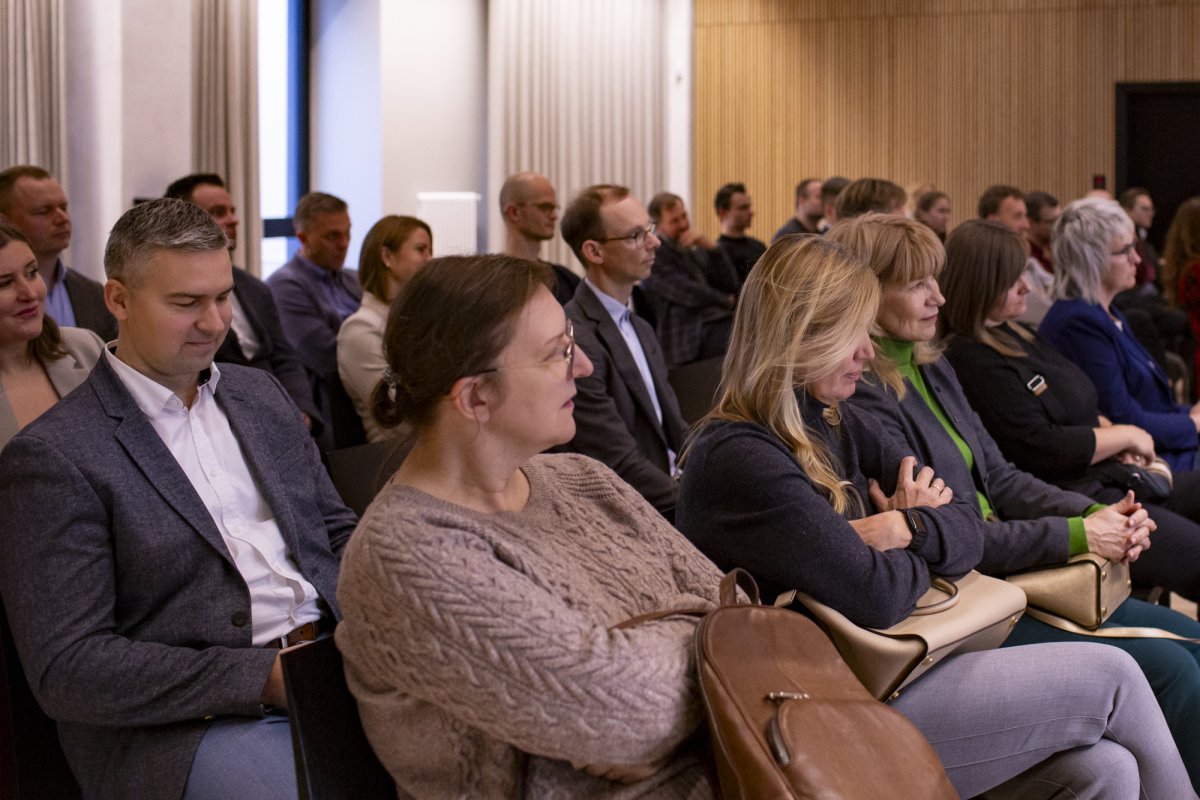
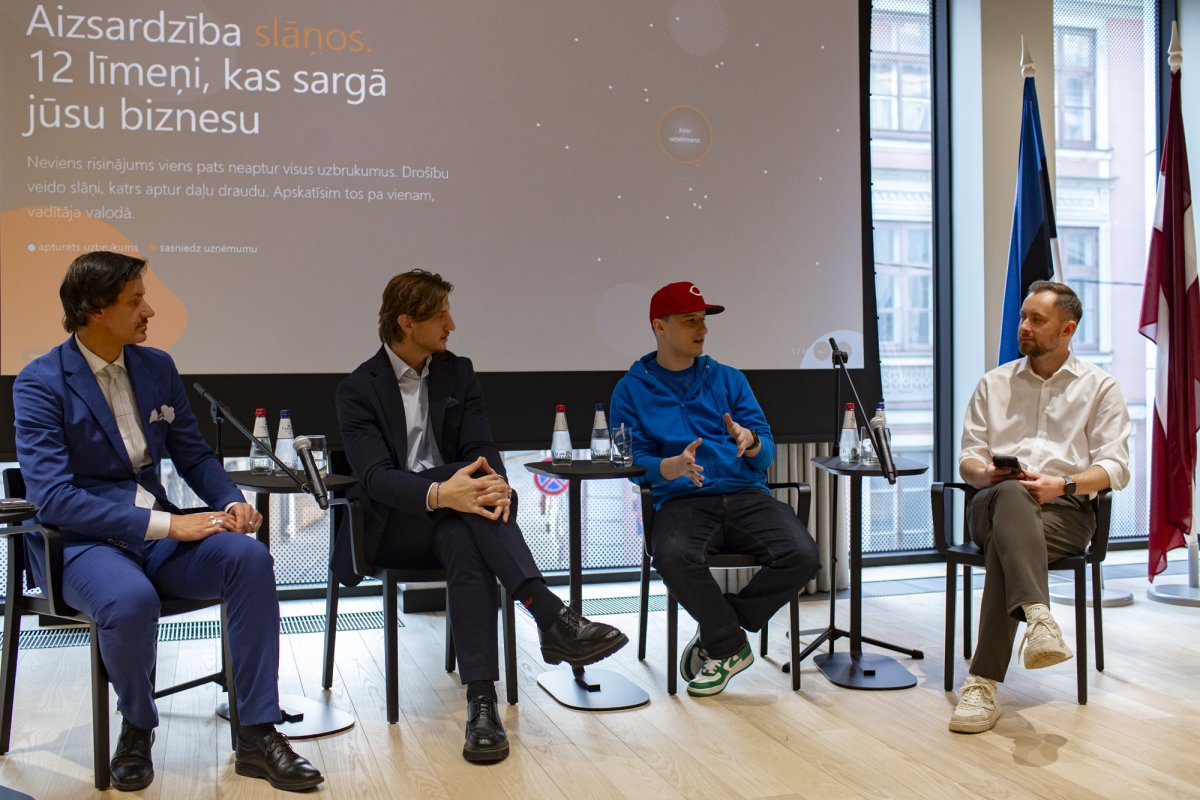
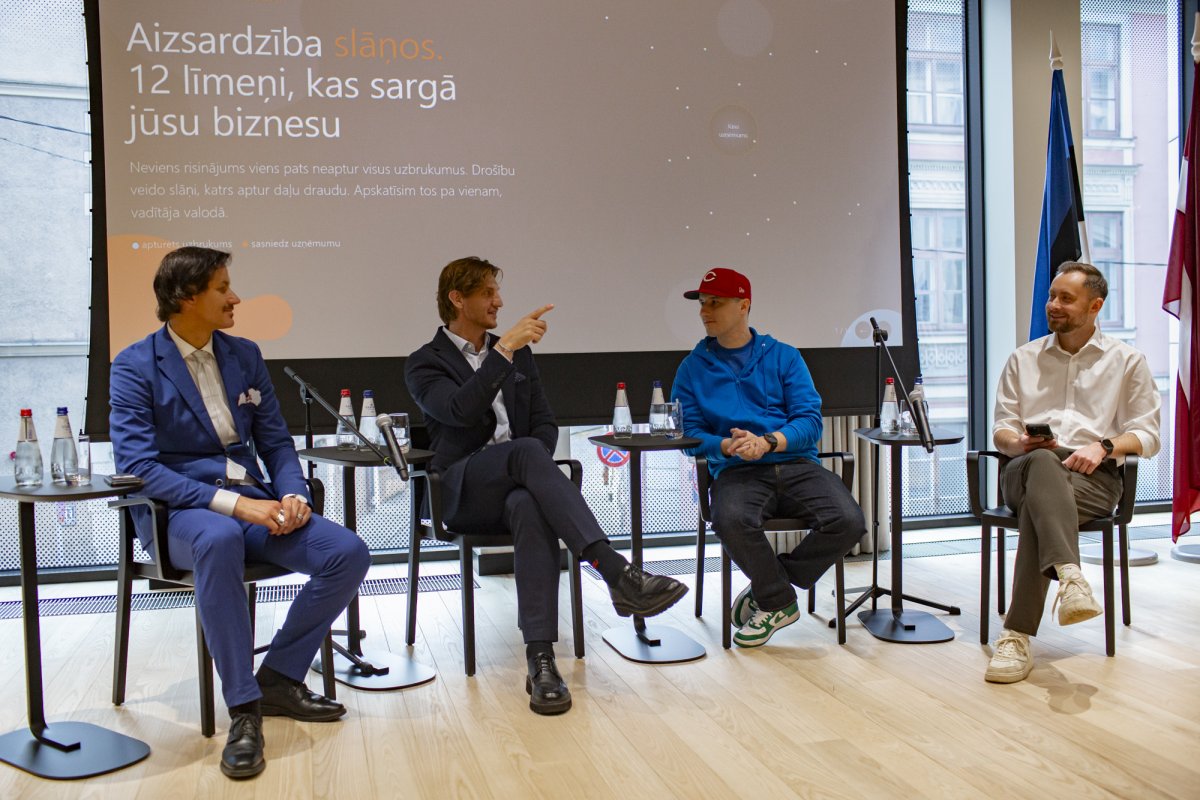
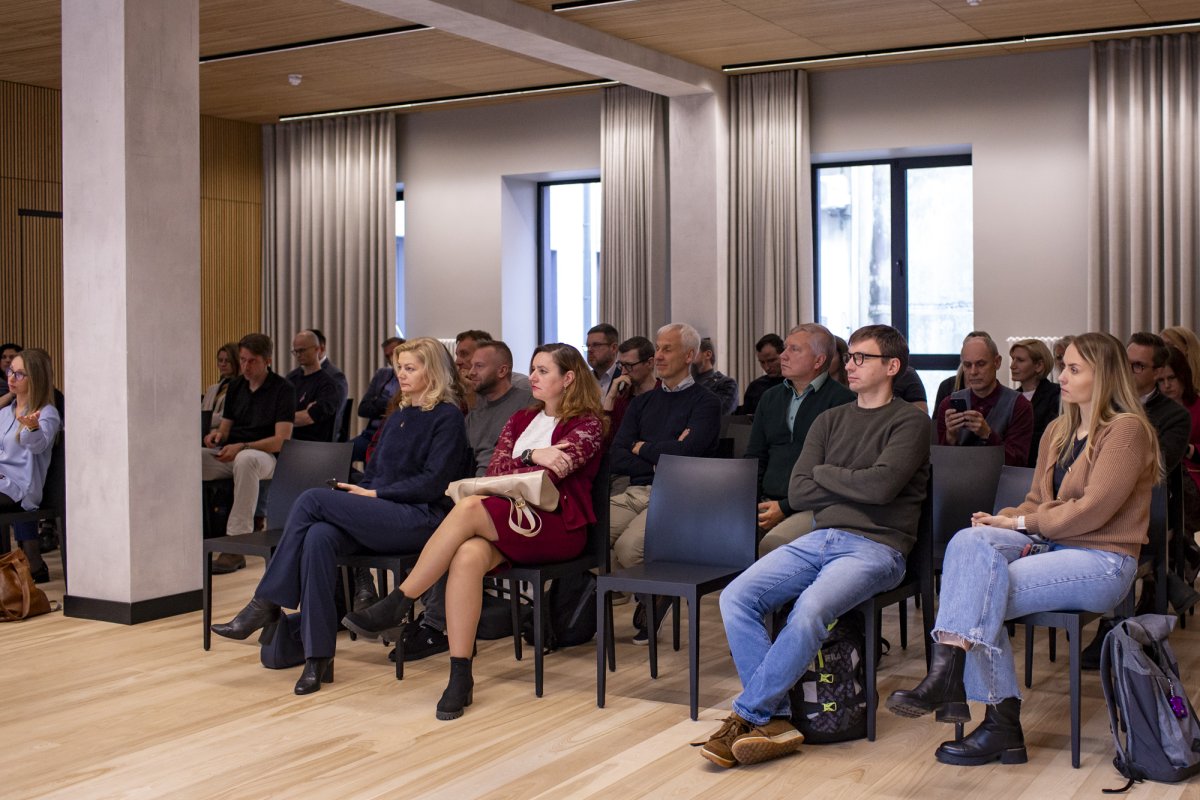
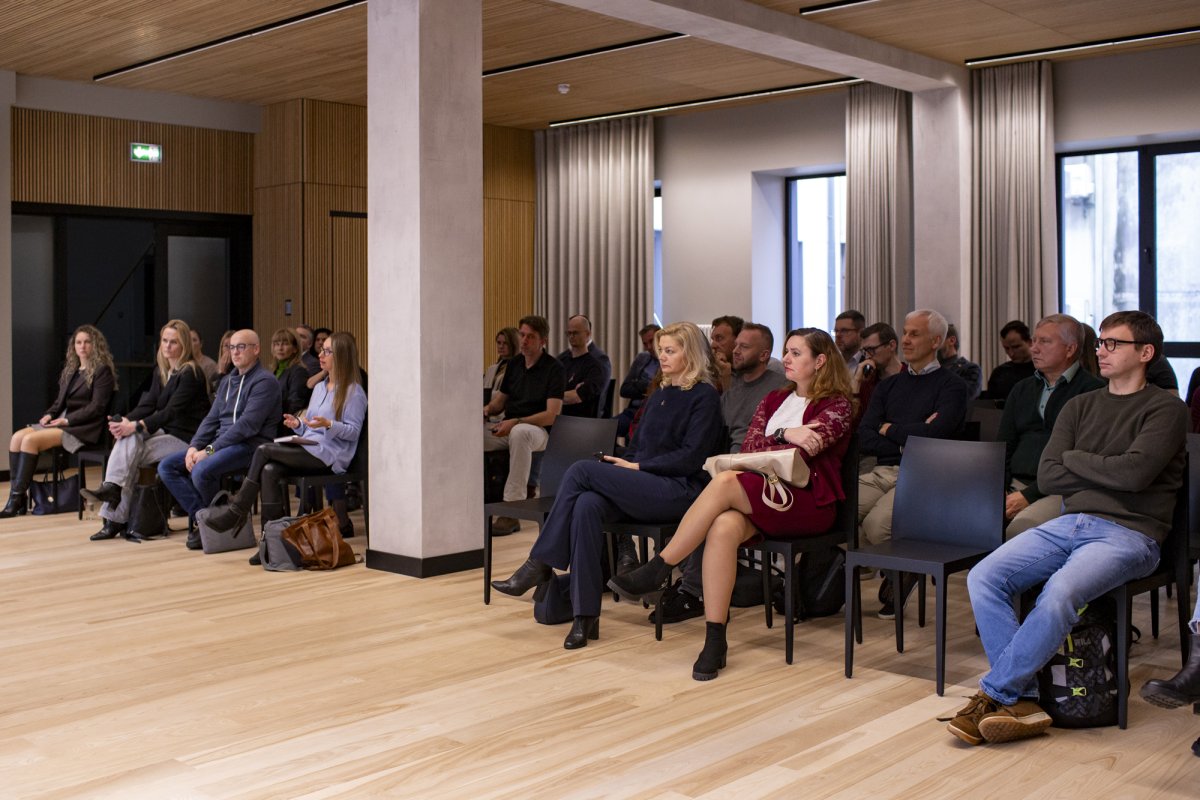
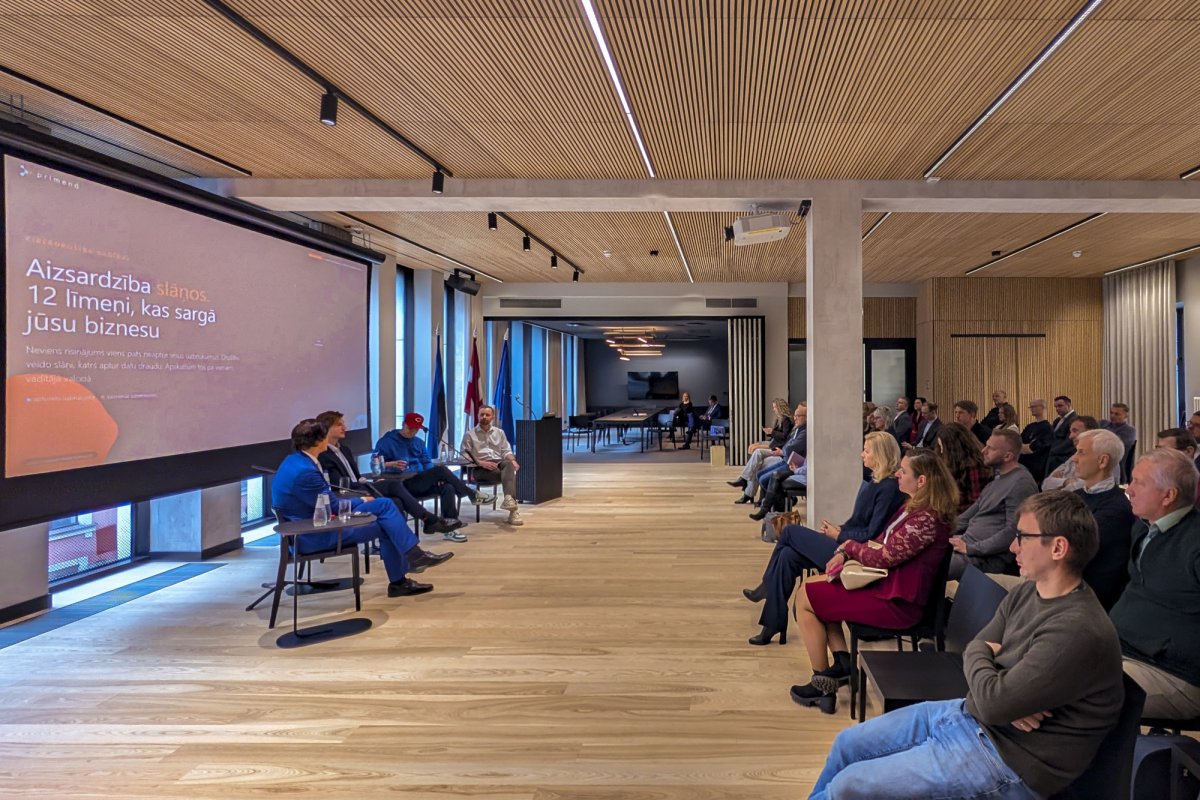
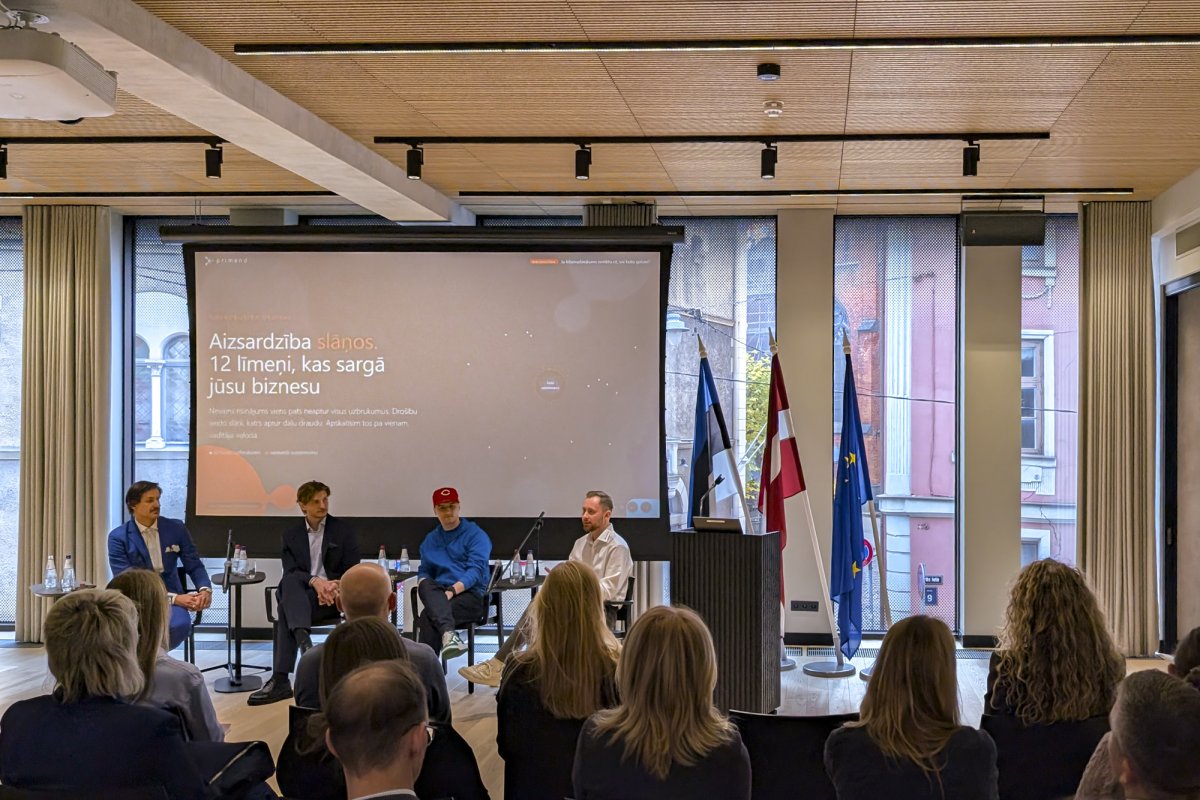
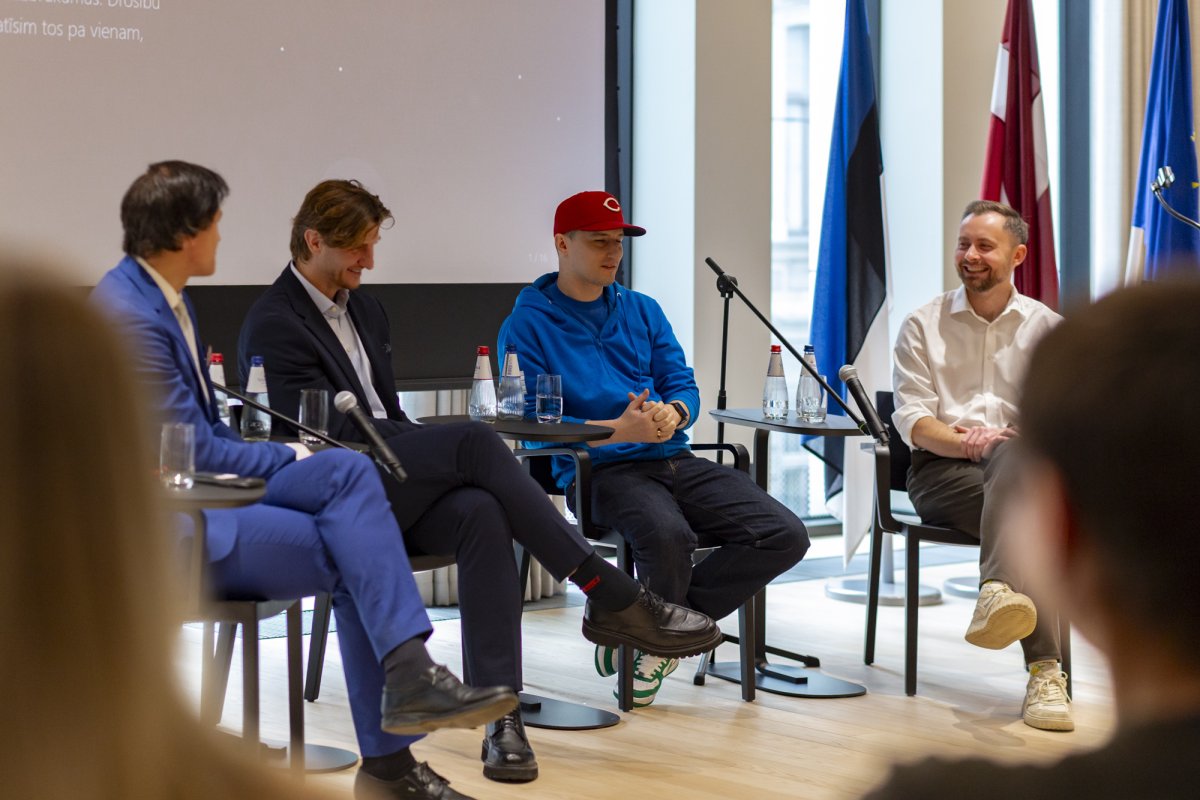
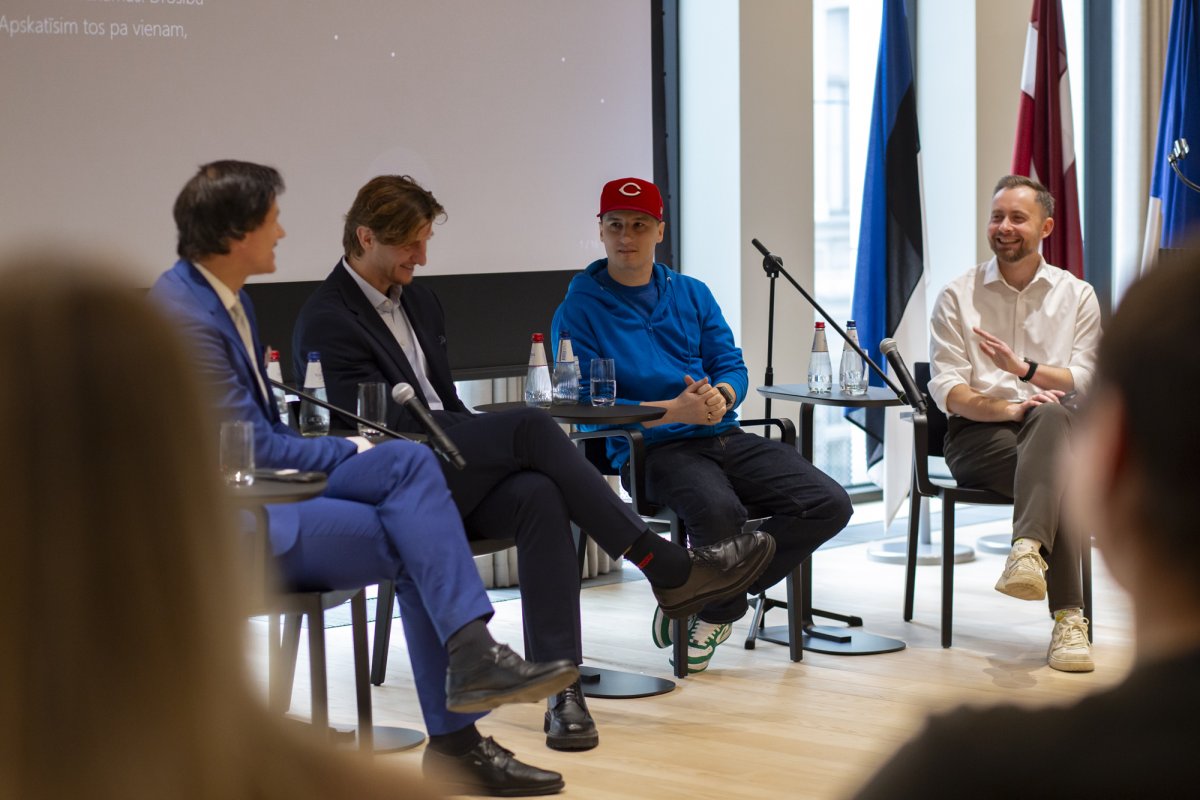
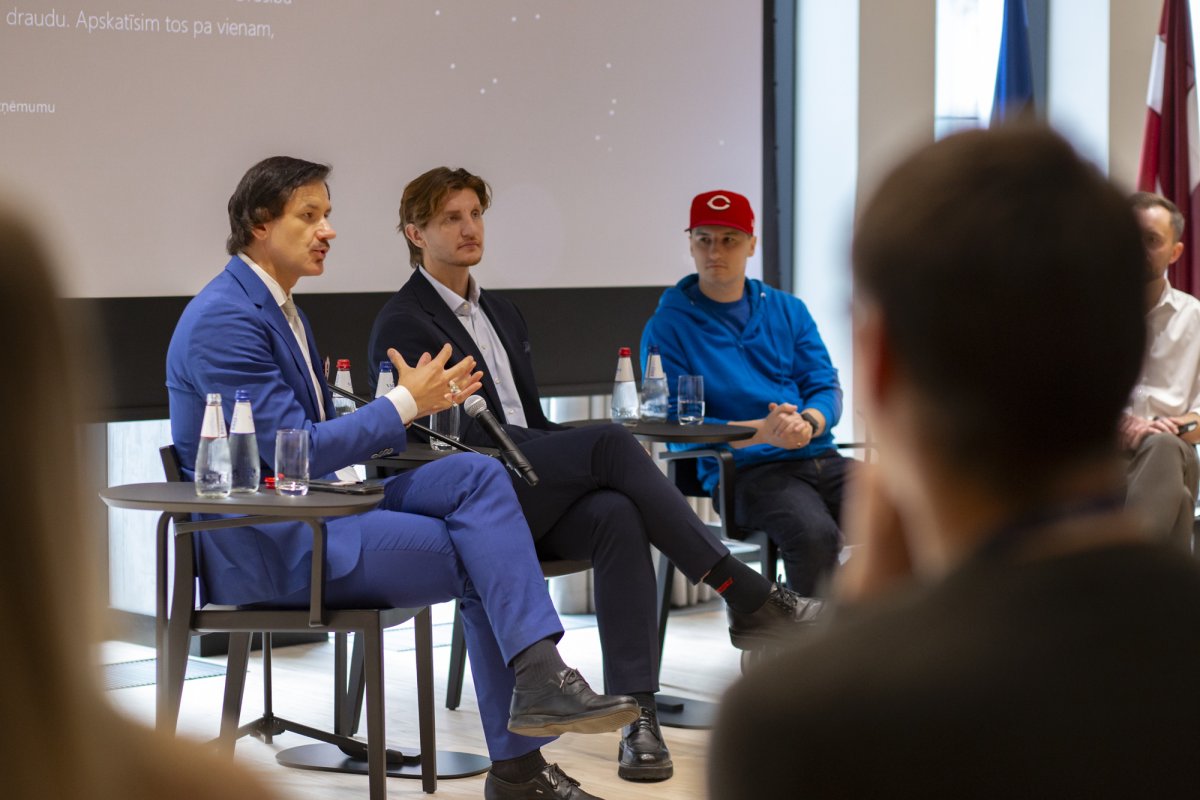
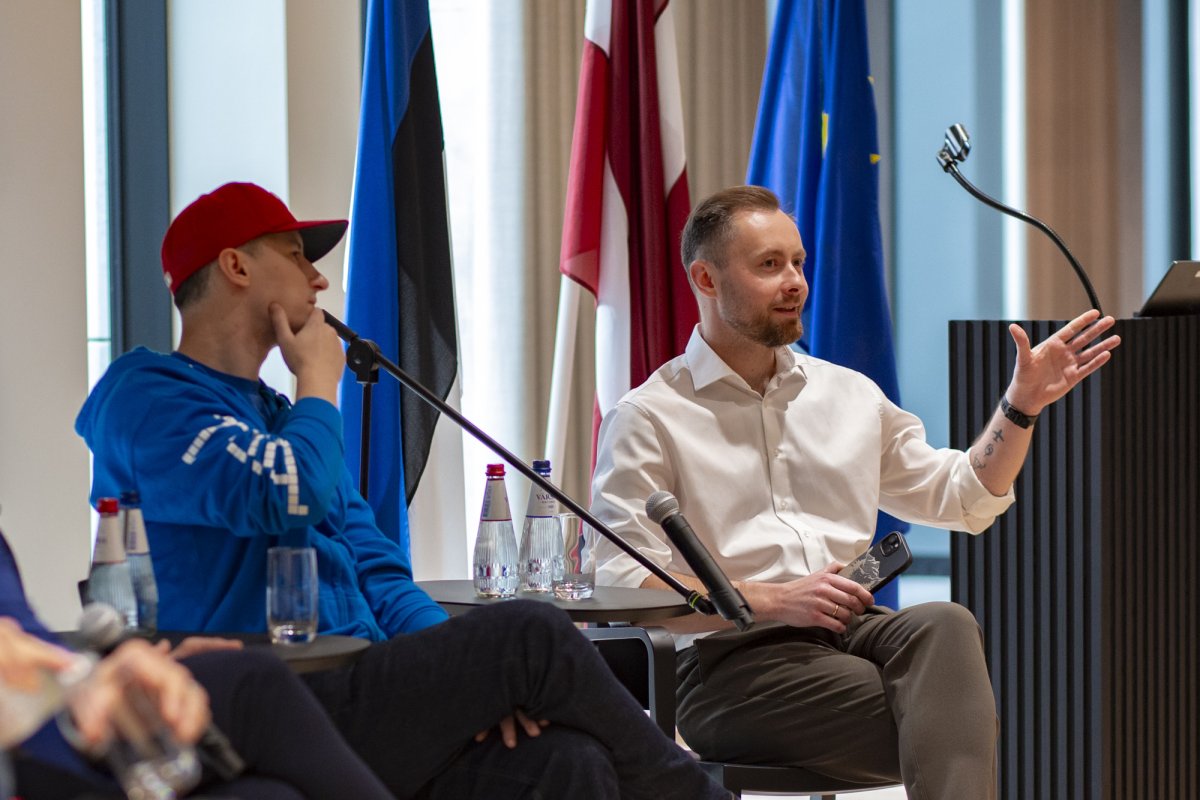
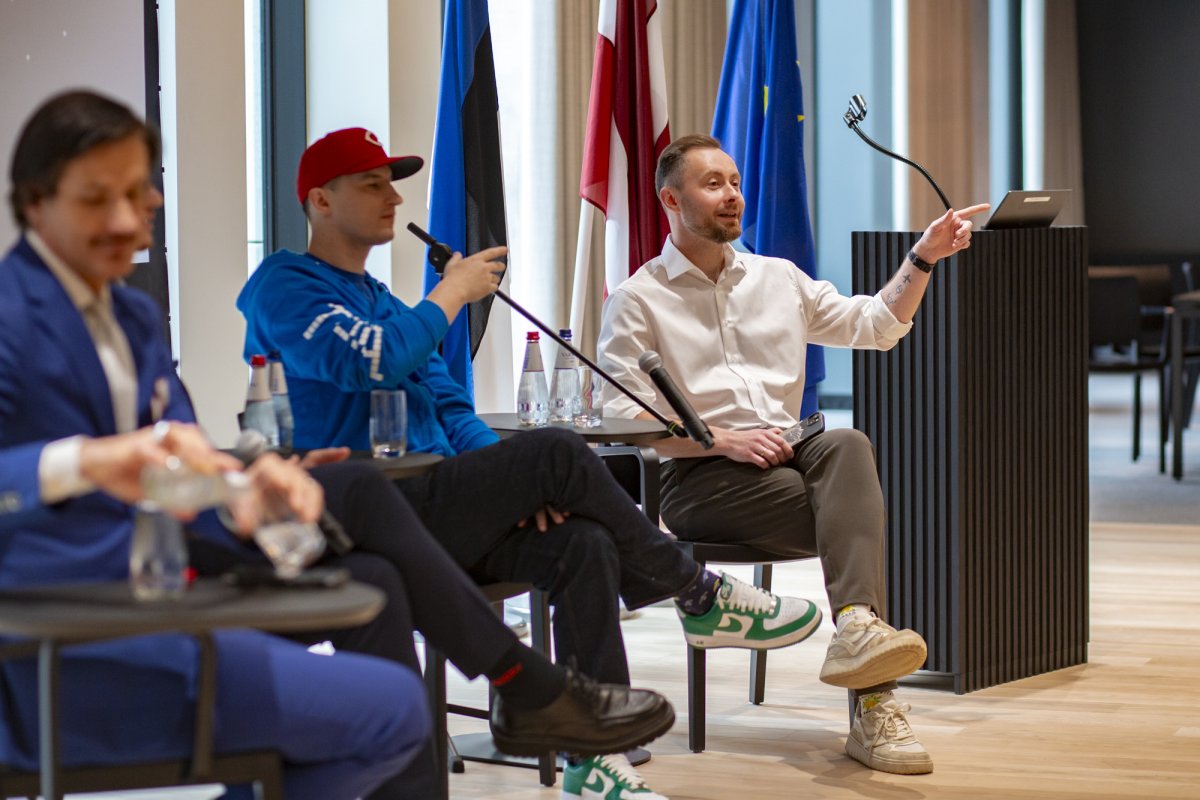
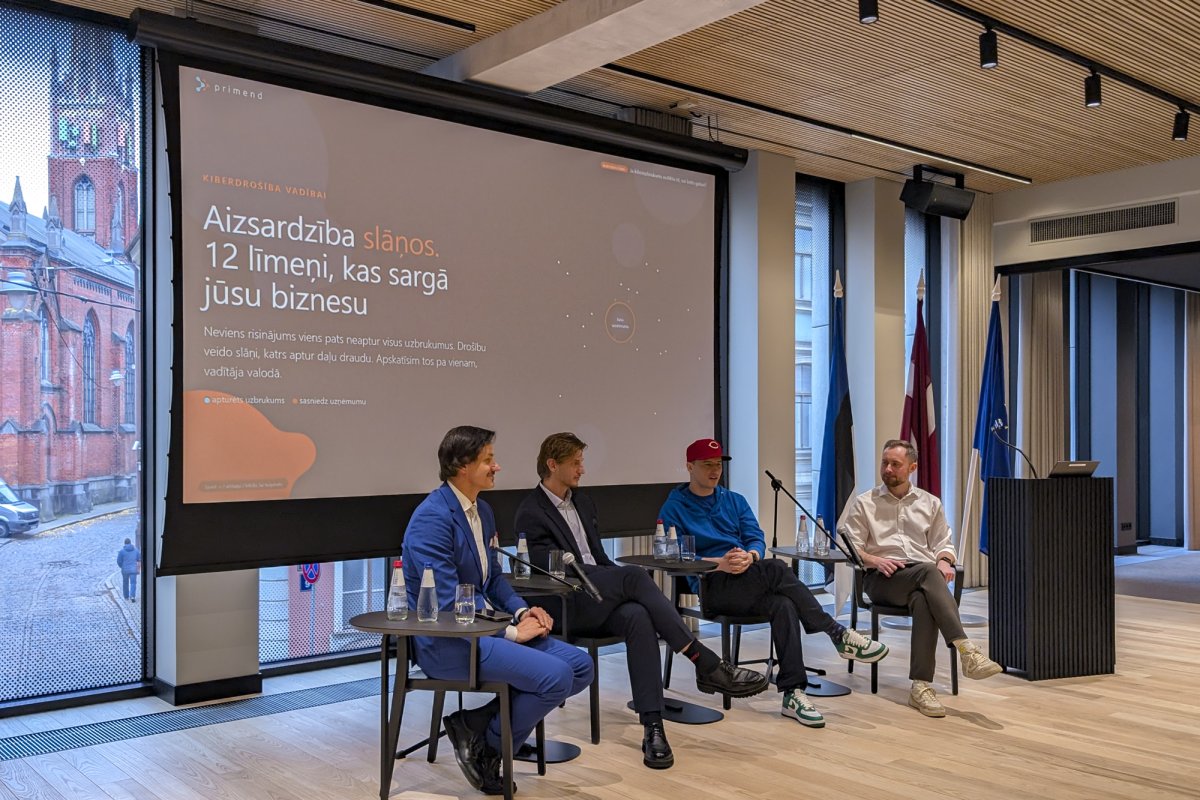
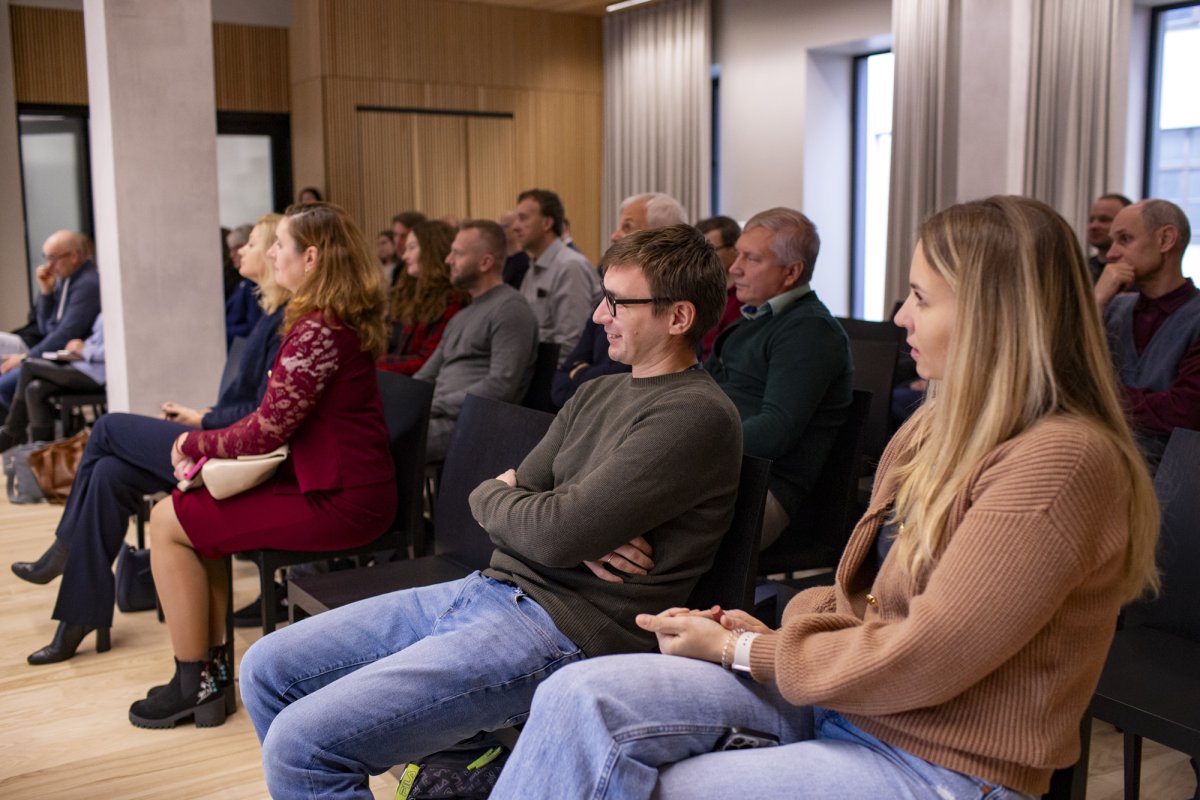
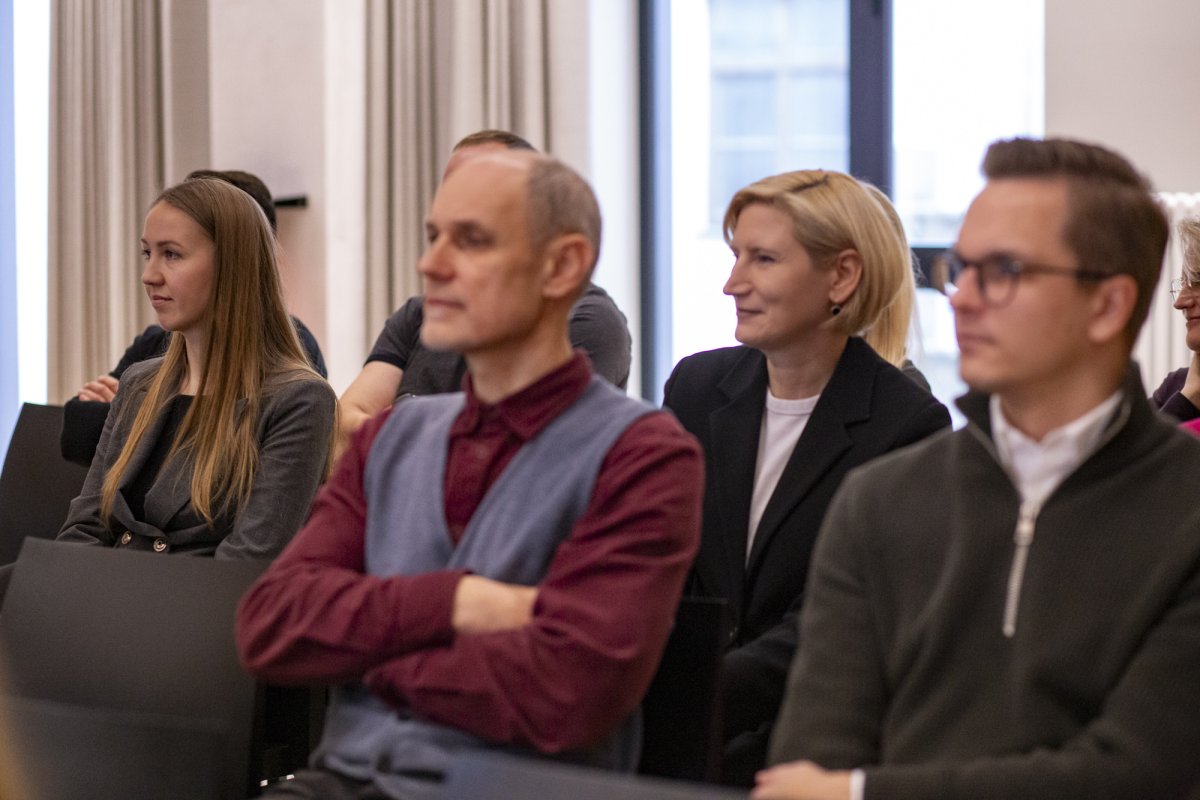
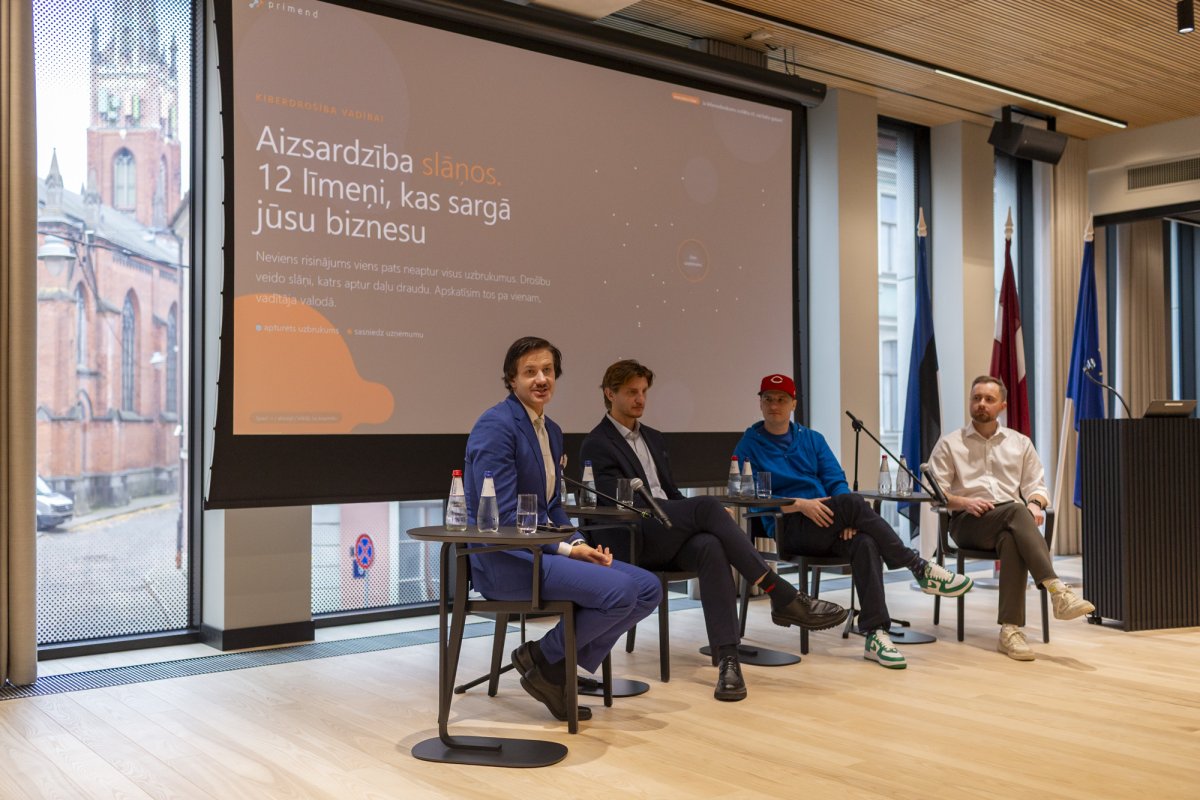
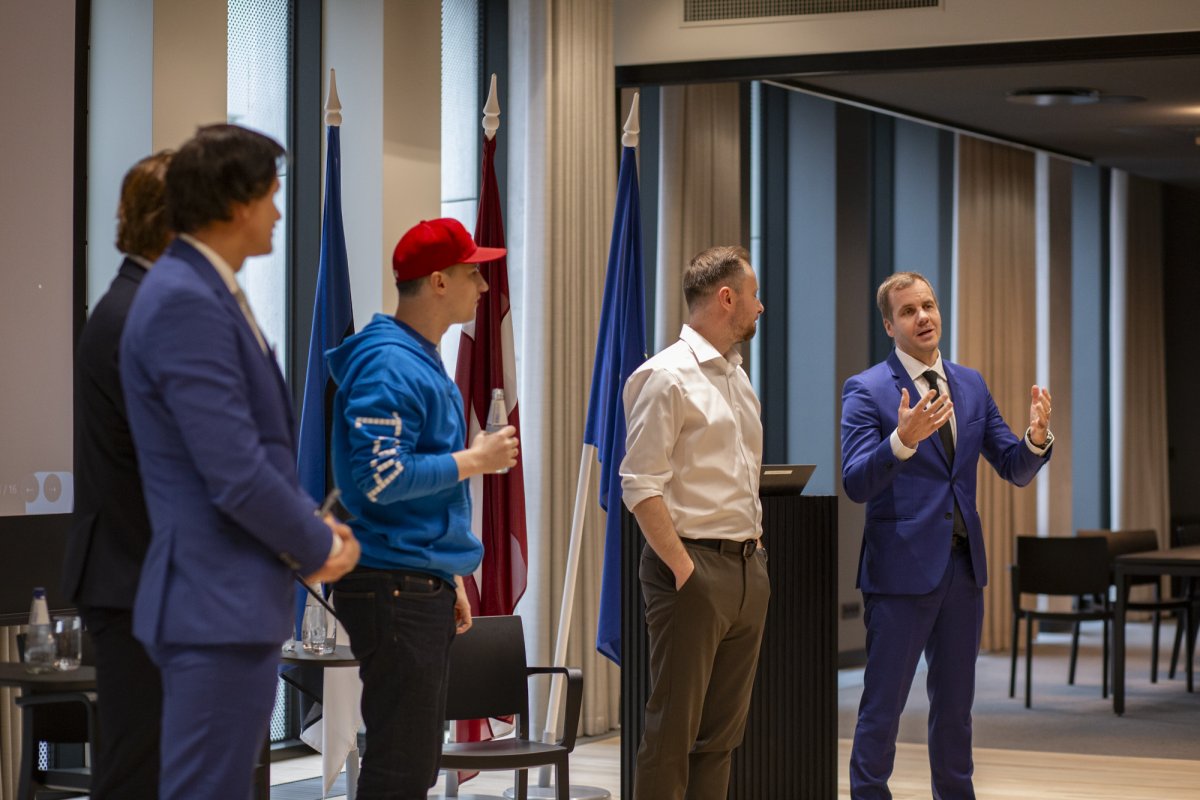
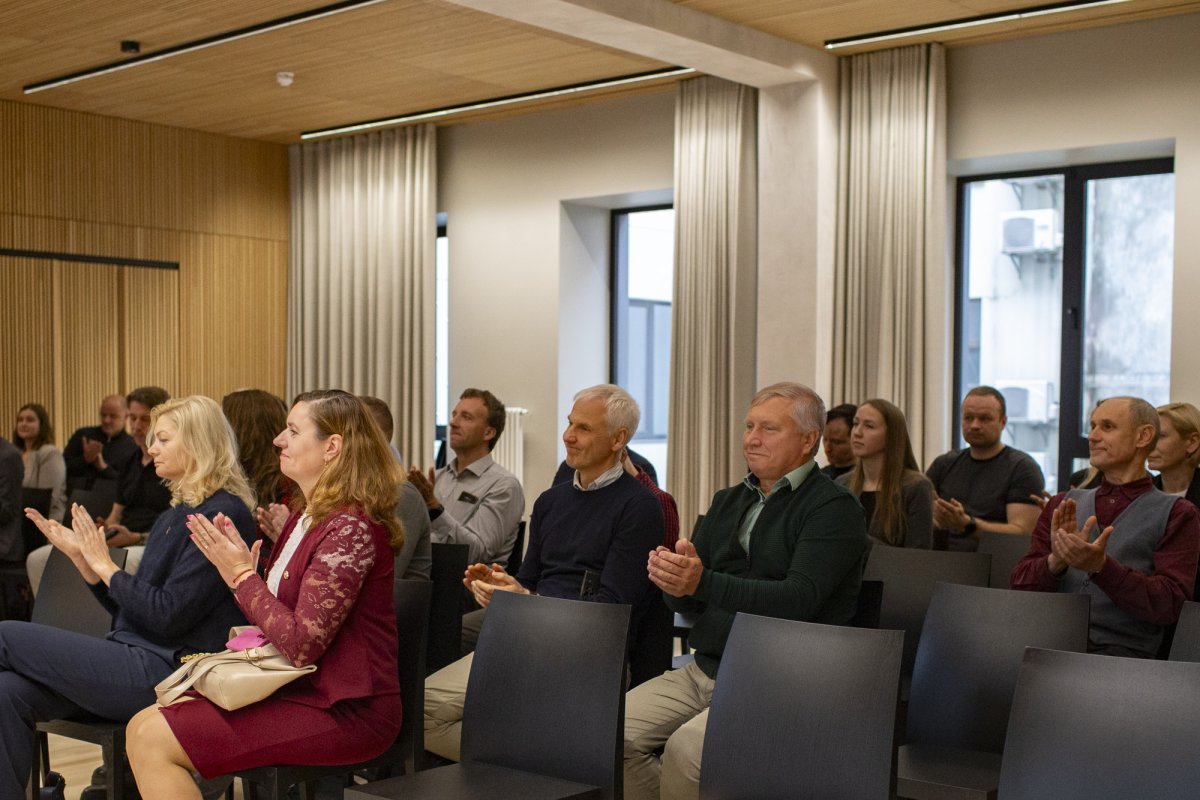
On 11 November, Primend and Compensa Vienna Insurance Group hosted business leaders and cyber defence experts at the Estonian Embassy in Riga for a Baltic Leaders’ Morning focused on a critical question: if a cyberattack happens tomorrow, is your business ready?
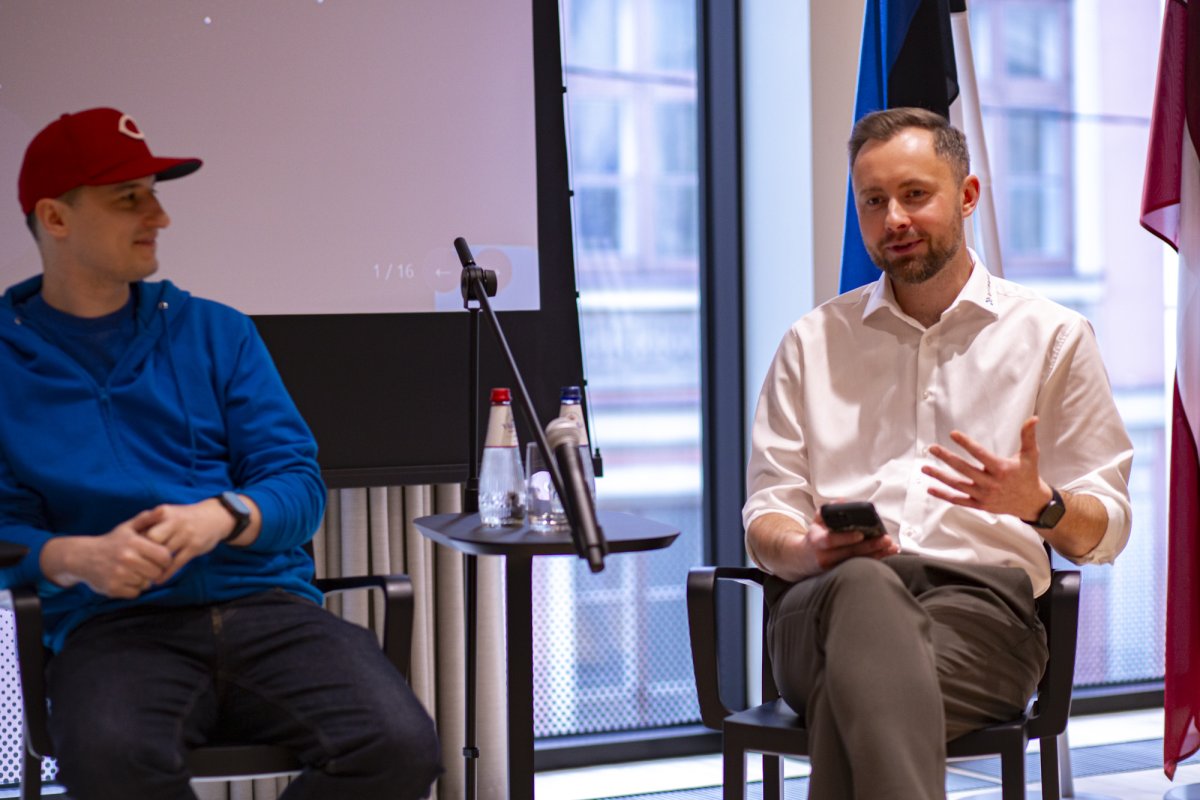
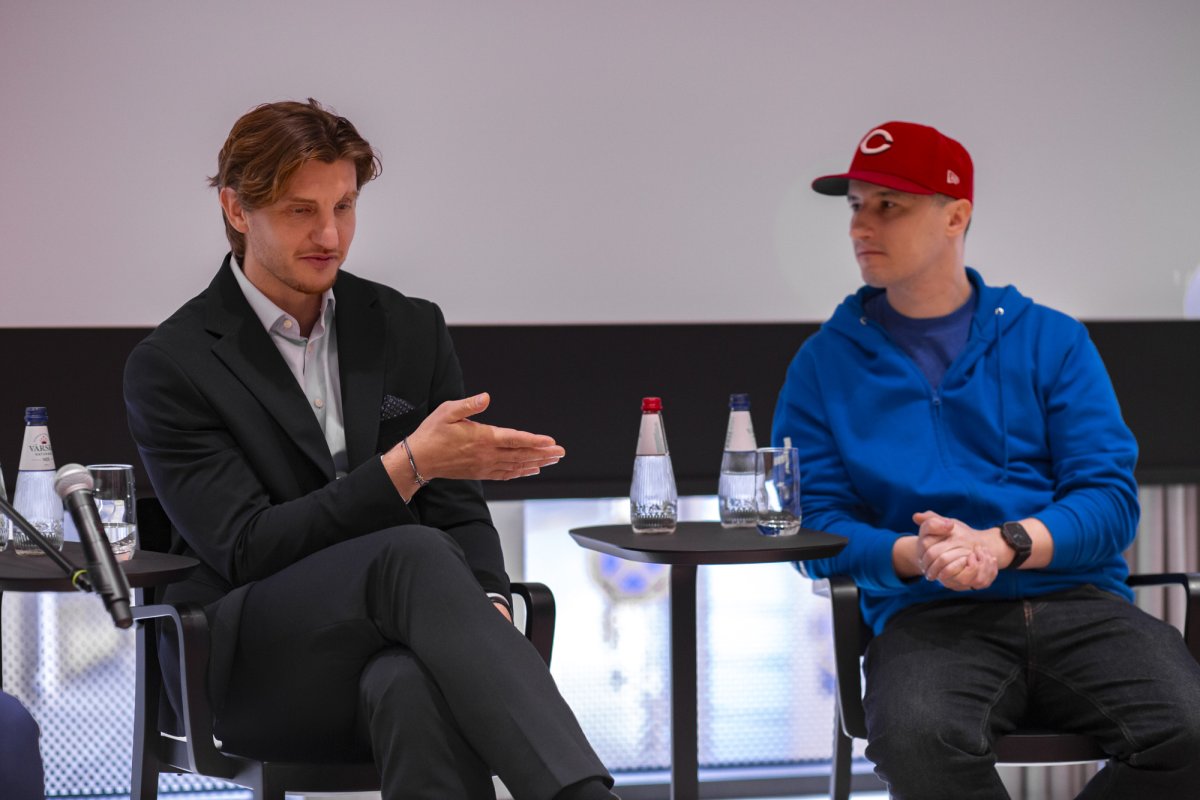
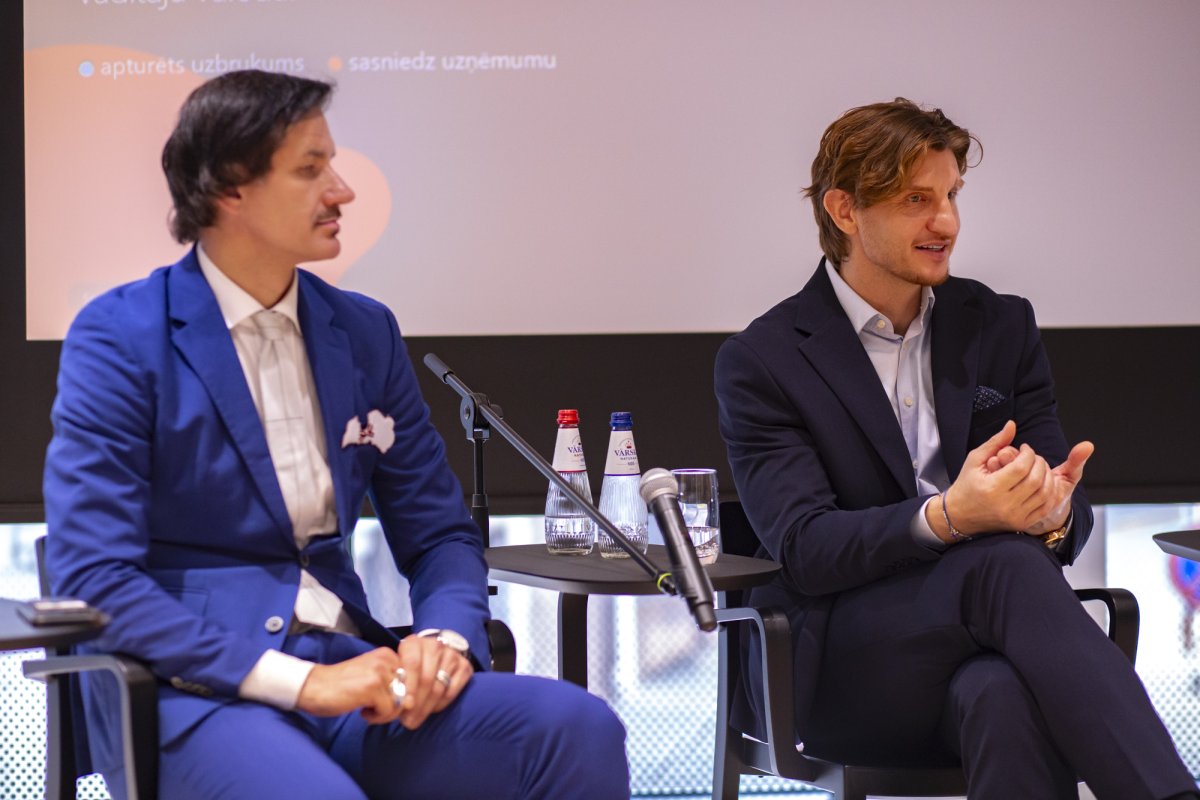
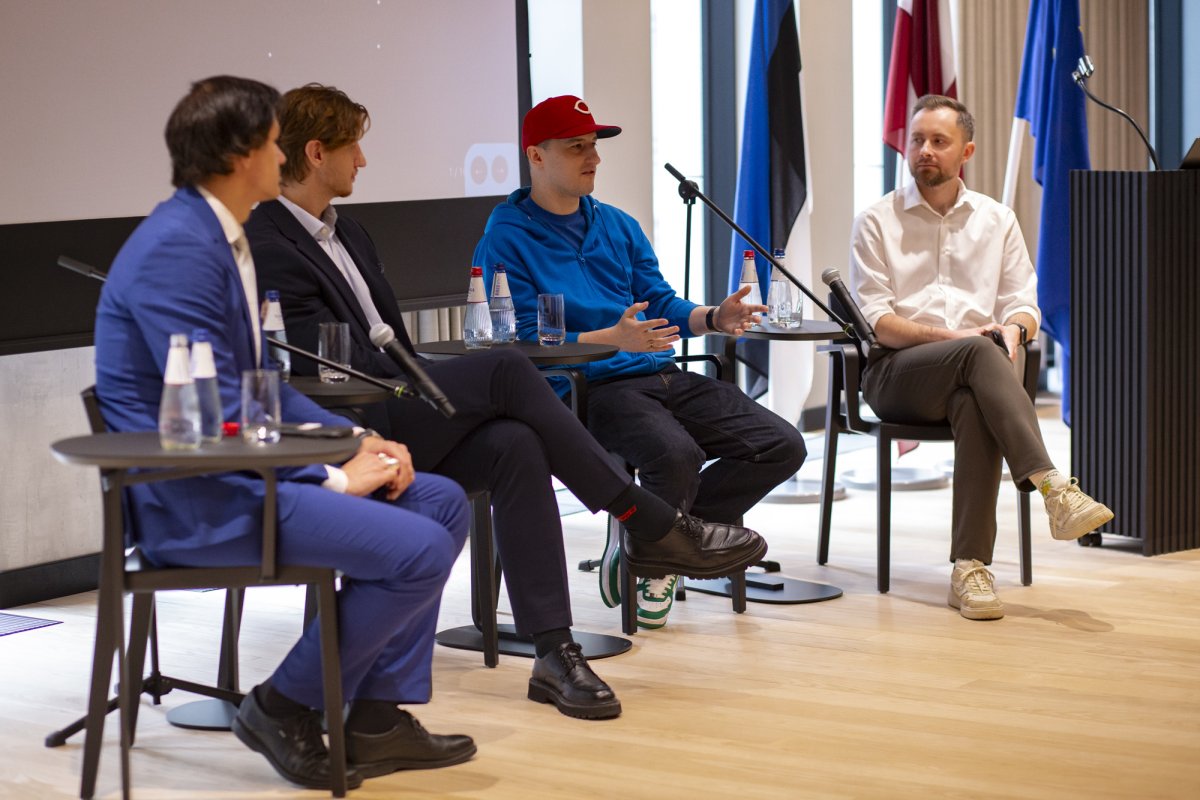
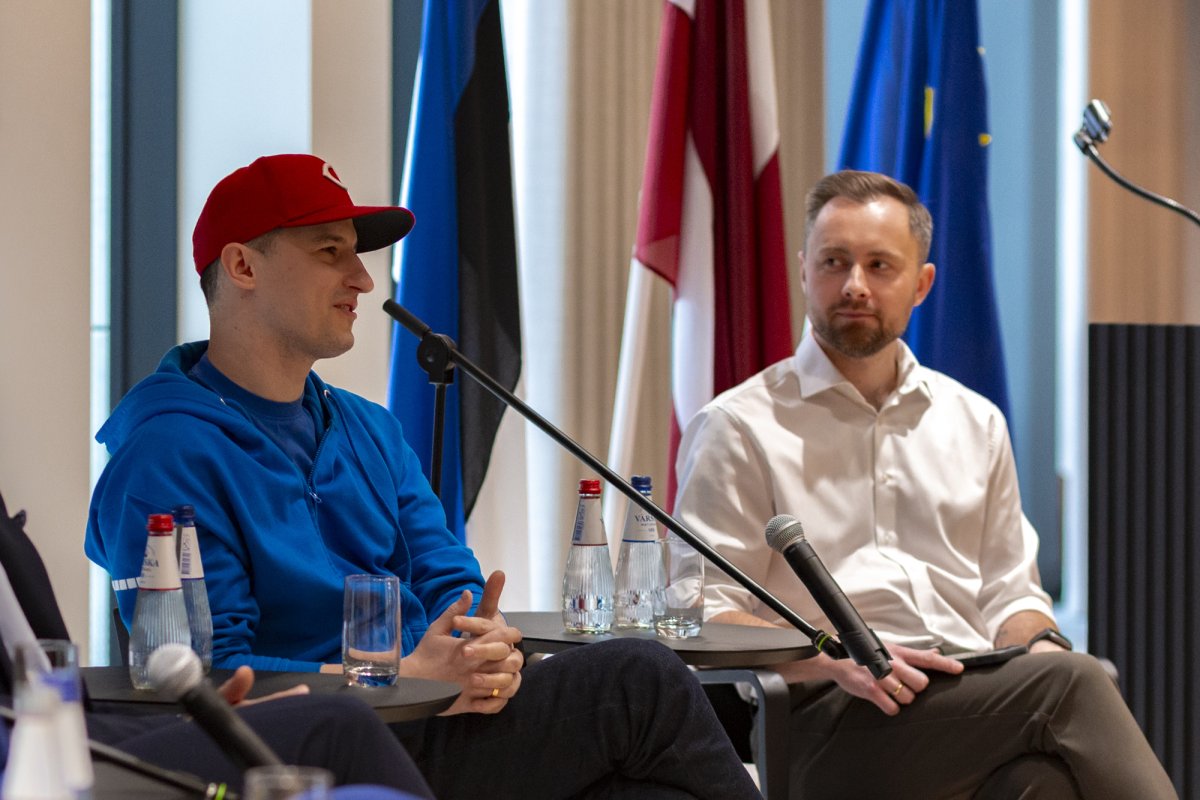
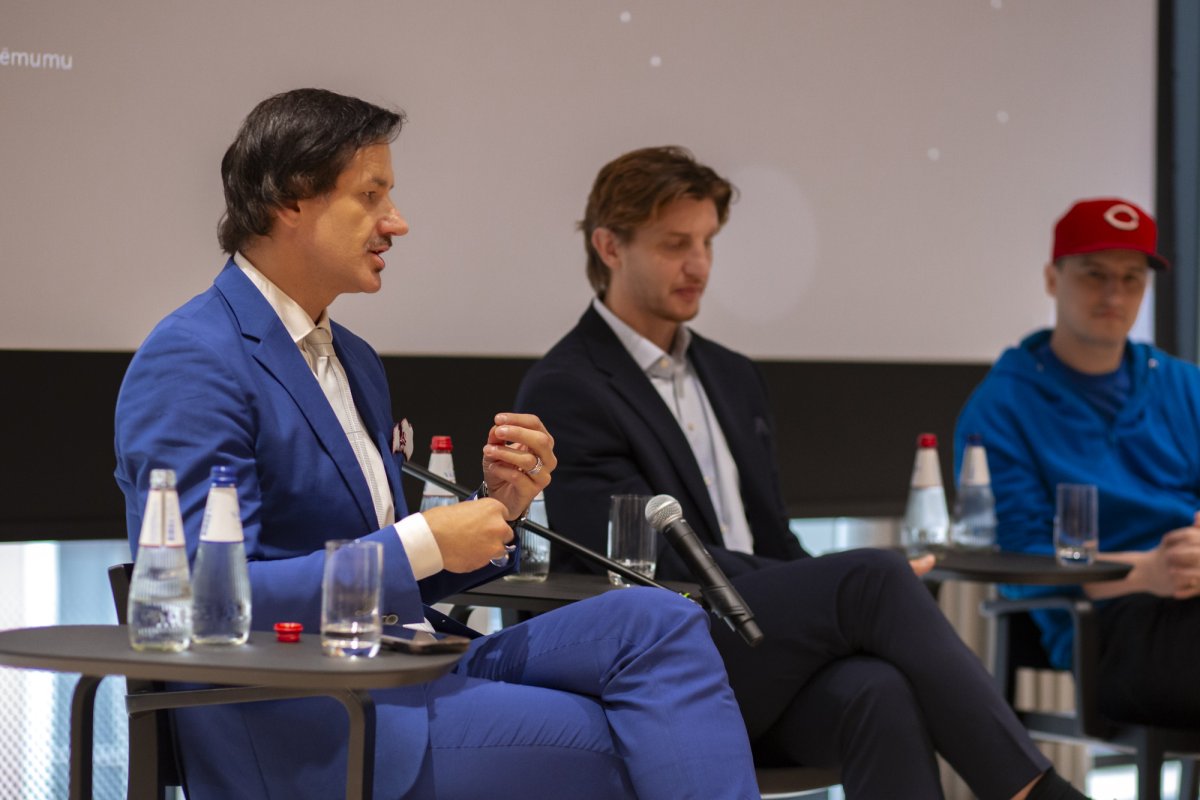
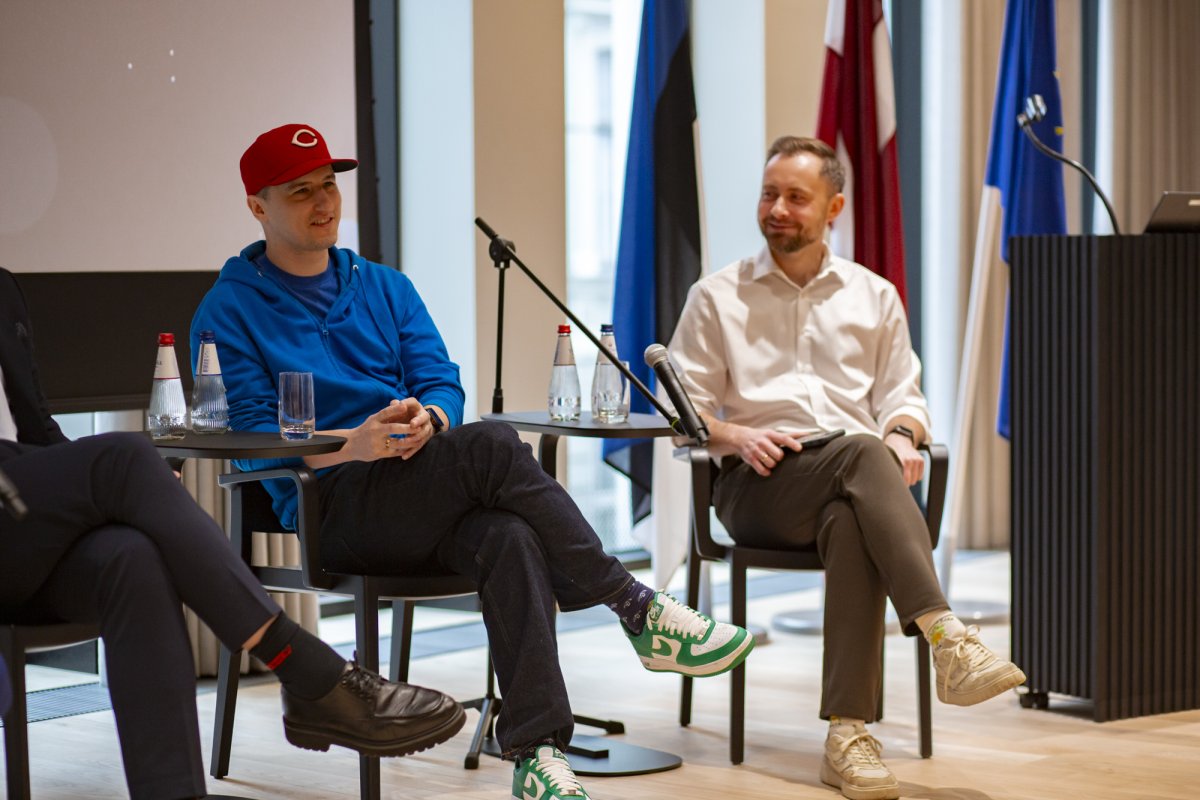
The event featured an expert panel, real-world examples, and practical advice on cybersecurity, business resilience, and cyber insurance. Panellists included Mārtiņš Jurjāns, Chief Commercial Officer at Primend; Elviss Strazdiņš, Cybercrime Investigator and Cybersecurity Expert; Armands Jaševs, Insurance Growth Manager at Compensa Vienna Insurance Group; and Rolands Ābols, Engineering Insurance Products Group Manager at Compensa Vienna Insurance Group.
Here are some of the key takeaways from the morning.
Cybersecurity is a business risk, not just an IT issue.
A key message was clear: organisations should focus on their preparedness for a cyber incident, not on whether one will occur.
Cyber resilience requires multiple layers of protection. Email security, multi-factor authentication, managed access rights, regular system updates, and vulnerability management are important. However, technology alone is not sufficient.
Strong cybersecurity depends on the combination of technology, processes and people.
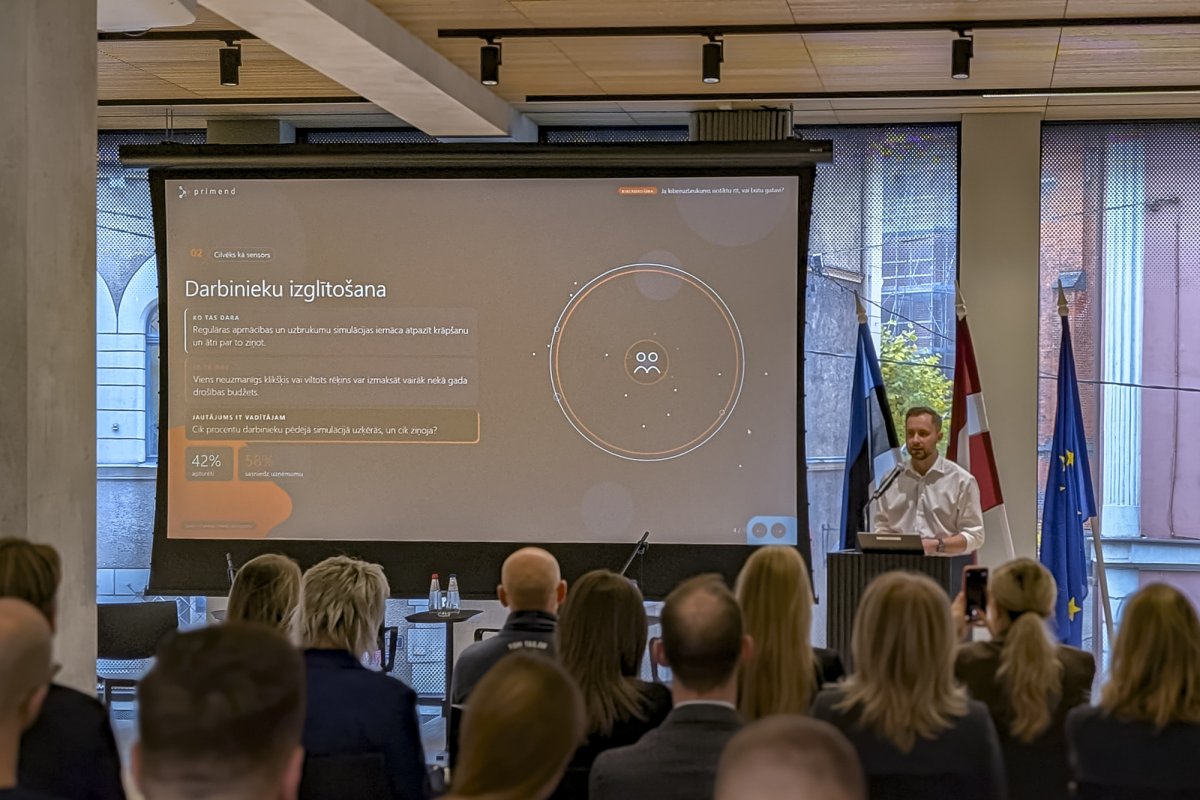
People remain one of the most important lines of defence.
Phishing, fraudulent payment requests and other forms of social engineering continue to exploit human behaviour rather than technical vulnerabilities.
Elviss Strazdiņš emphasised the importance of regular cybersecurity awareness training and clear internal safeguards. Employees should be encouraged to question unexpected links, access requests, and unusual payment instructions.
Measures such as the four-eyes principle, where sensitive actions require verification by a second person, can offer an additional layer of protection against fraud.
Primend announced a new partnership with Elviss Strazdiņš to provide ongoing cybersecurity training for clients. The goal is to ensure awareness training is continuous, reflecting the fact that both teams and attack methods evolve.
Preparing for an incident is as important as preventing one.
Even organisations with strong cybersecurity controls cannot eliminate cyber risk.
Preparation is essential. Companies need reliable backups, clear responsibilities, and an incident response and recovery plan. These plans must be tested regularly.
A plan that appears effective on paper may present unexpected challenges during a real incident. Regular testing helps organisations assess how quickly they can restore critical services. It also helps identify decision-makers and maintain operations during disruptions.
What does a cyber incident actually cost?
The discussion also looked past the technical consequences of an attack.
A cyber incident can cause downtime, lost revenue, recovery expenses, data protection issues, and reputational damage. For organisations with critical infrastructure or production environments, even brief interruptions can be costly.
One example showed that a business with an annual turnover of about €1.3 million could incur approximately €56,000 in losses from just two days of disruption.
The key takeaway: cybersecurity decisions should consider both the likelihood of an incident and its potential business impact.
Where does cyber insurance fit?
Cyber insurance was another important part of the discussion.
Insurance does not replace cybersecurity. Instead, it complements existing security measures by managing the financial risks that remain after preventive controls are implemented.
Primend and Compensa Vienna Insurance Group also announced a collaboration to offer cyber risk insurance for companies in Latvia, adding financial protection to the broader discussion on cyber resilience.
Cyber insurance can help address consequences such as cyberattacks, computer fraud, data breaches, and business interruption. However, insurers assess how effectively an organisation manages its cyber risks before deciding which residual risks they can insure.
In practice, cybersecurity reduces the likelihood and impact of incidents, while insurance helps manage financial consequences that cannot be eliminated.
Get Cybersecurity Insurance Here
Cloud or on-premises? Security still needs to be managed.
The panel also discussed the differences between cloud platforms and traditional on-premises environments.
For many smaller organisations, modern cloud services provide a secure and cost-effective foundation compared to maintaining equivalent capabilities internally. However, moving to the cloud does not remove an organisation’s security duties.
Identity, access rights, data protection, configuration, and user behaviour still need active management.
The same principle applies when working with external IT and cybersecurity providers. Companies should understand their suppliers’ technical capabilities and how they manage responsibility and financial risk if issues arise.
The key takeaway: prepare before you have to react.
Perhaps the most important conclusion from the morning was that cyber resilience needs to be built before an incident happens.
Organisations should identify their most significant risks, implement appropriate technical safeguards, provide ongoing training, maintain and test recovery plans, and consider how to manage any remaining financial risk.
Cybersecurity is now an integral part of business management. The best-prepared companies are not those that believe they can prevent every incident, but those that know how to respond, recover, and maintain operations when incidents occur.
Join us at our next event.
Baltic Leaders’ Morning was one conversation in a much bigger one.
At Primend, we regularly bring together business leaders, technology specialists, and industry experts to share practical knowledge about cybersecurity, IT, AI, and the technologies shaping modern business.
Interested in joining us next time? Watch for our upcoming events and meet us at the next Primend seminar, webinar, or workshop.
A look back at Baltic Leaders’ Morning.
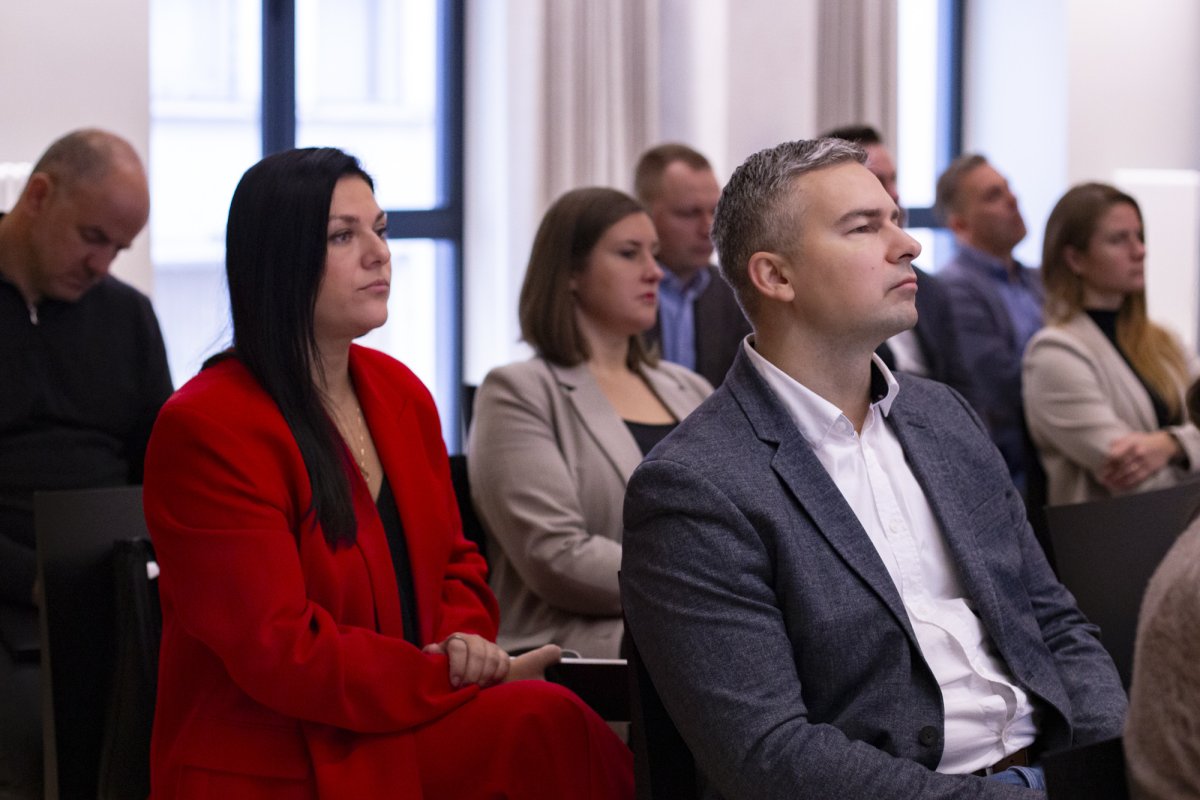
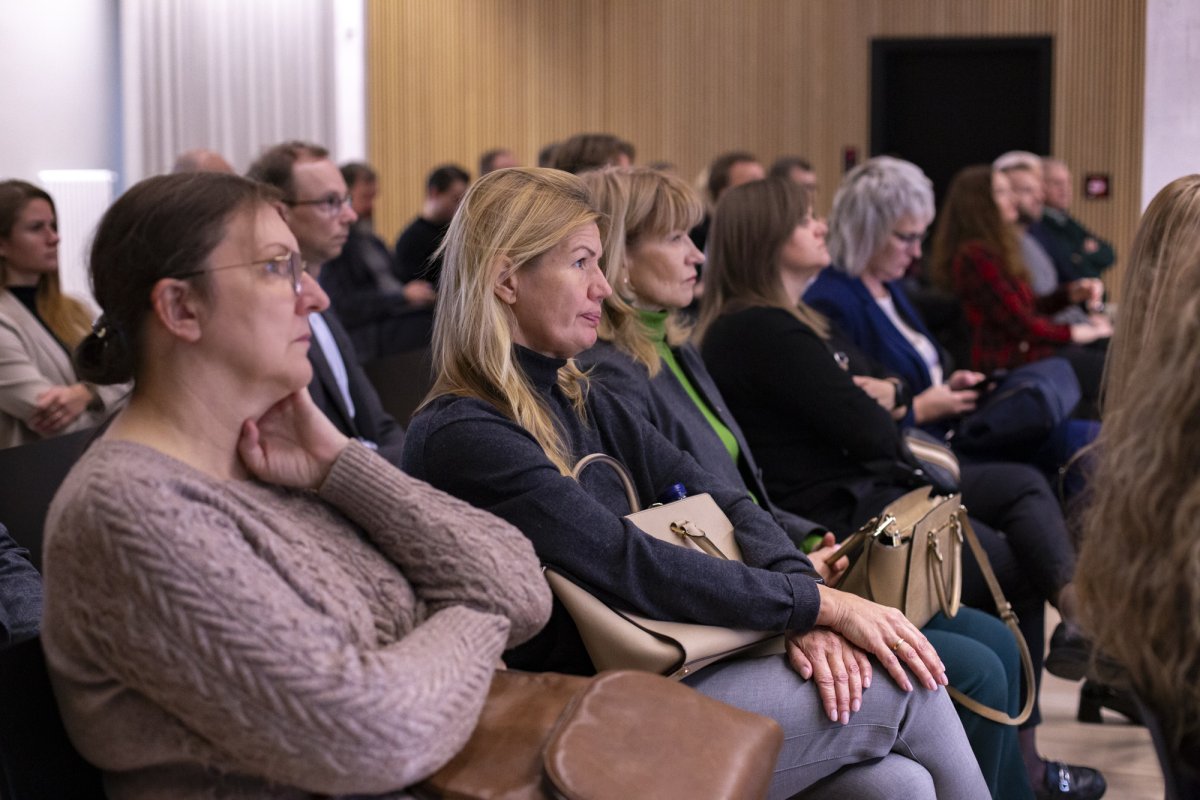
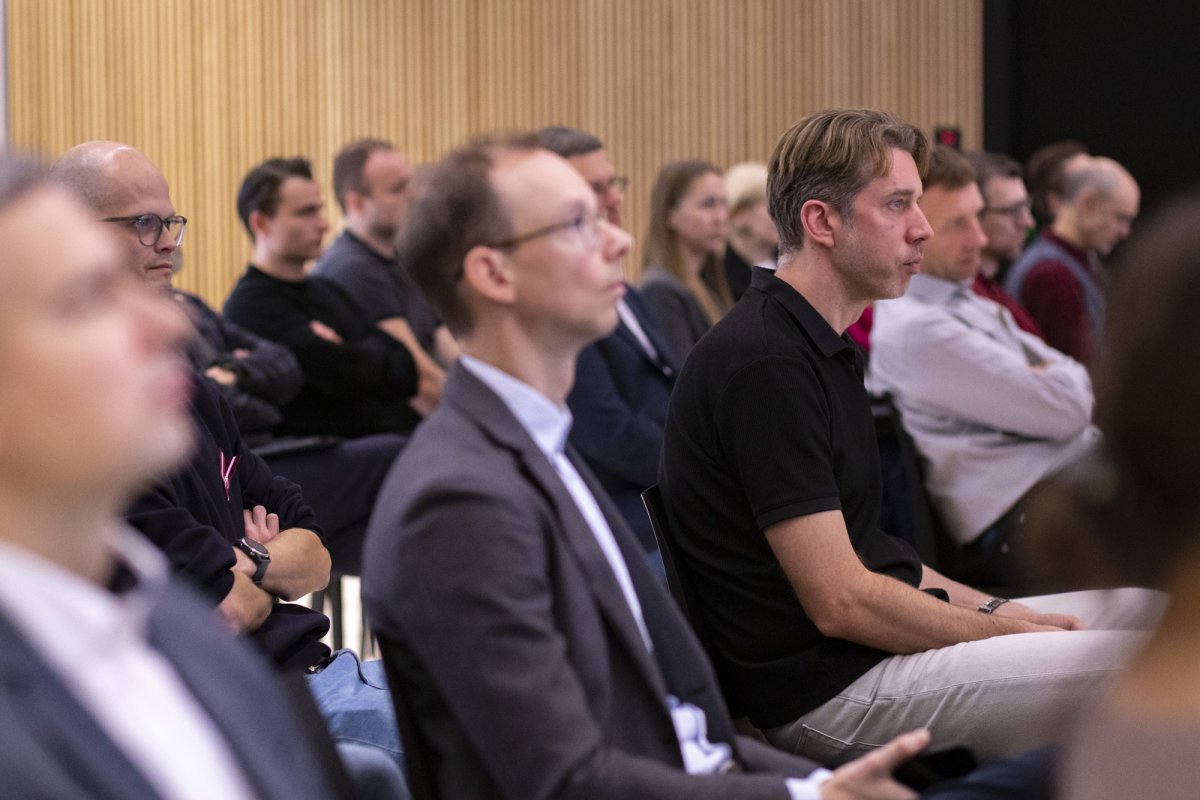
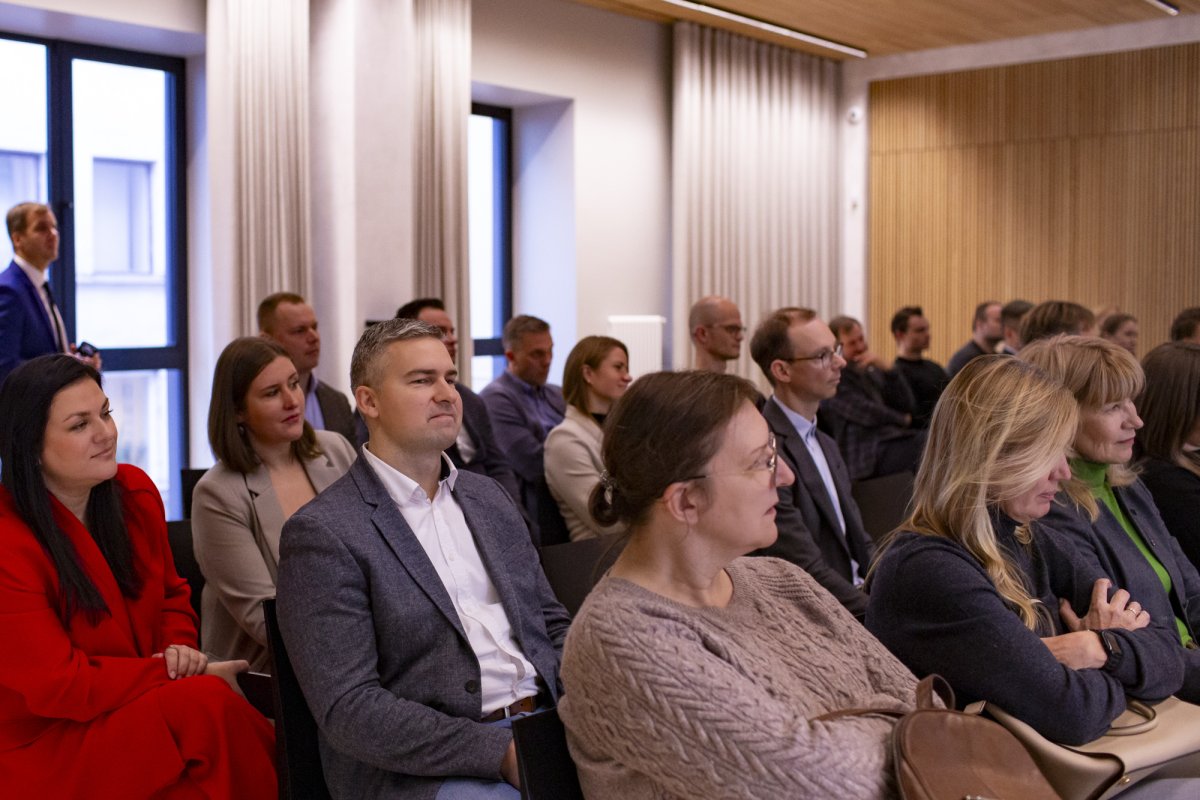
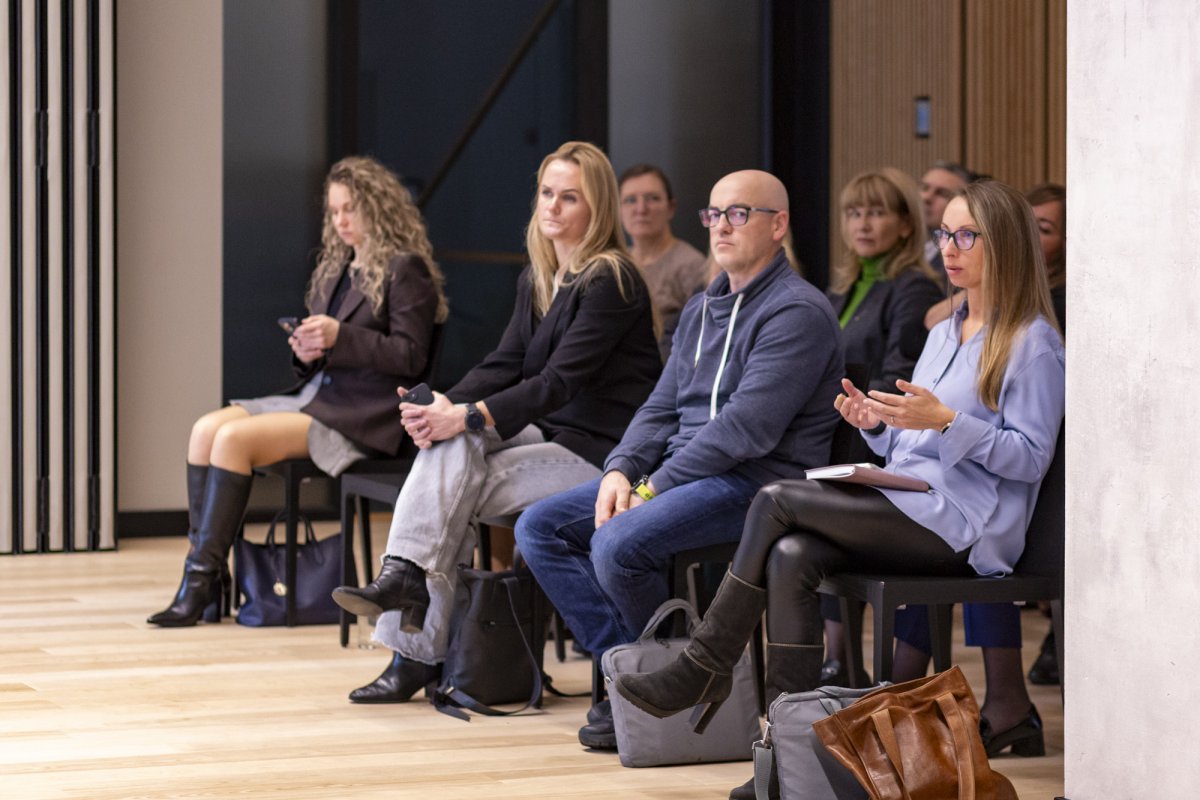
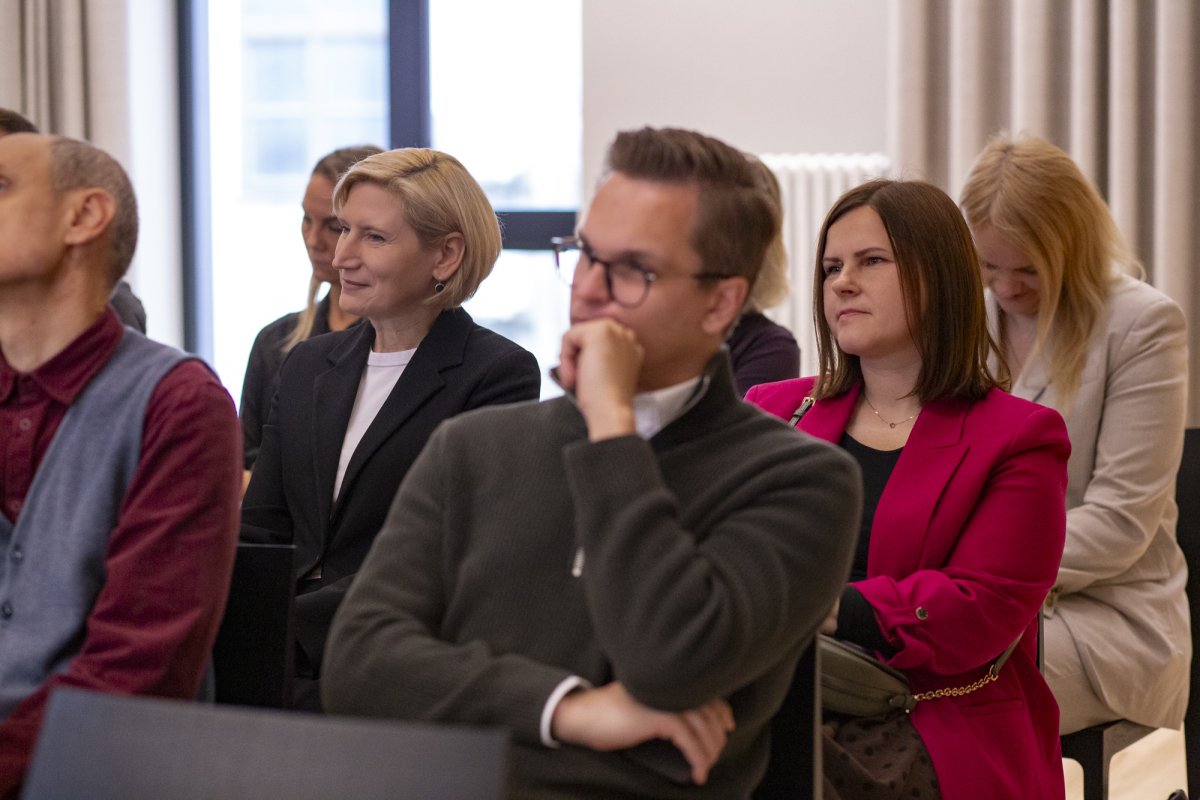
Thank you to everyone who joined us in Riga, shared experiences, asked questions, and contributed to the discussion.
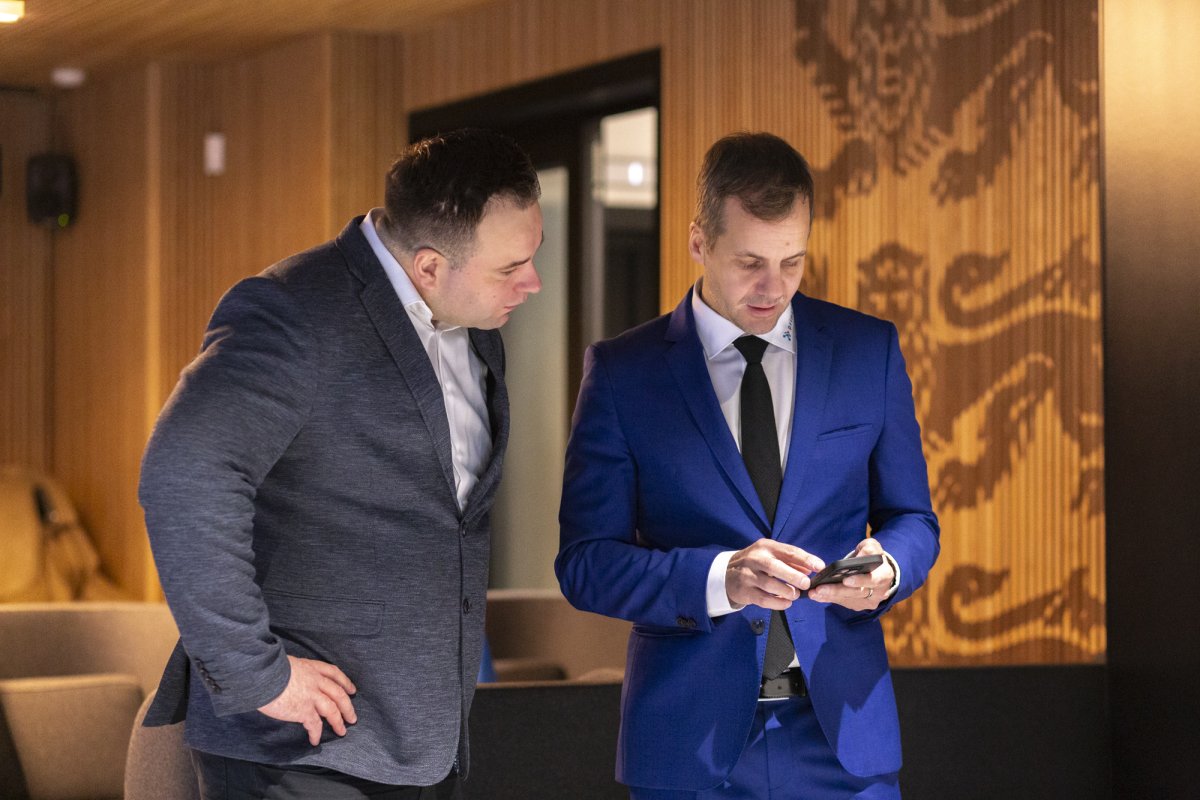
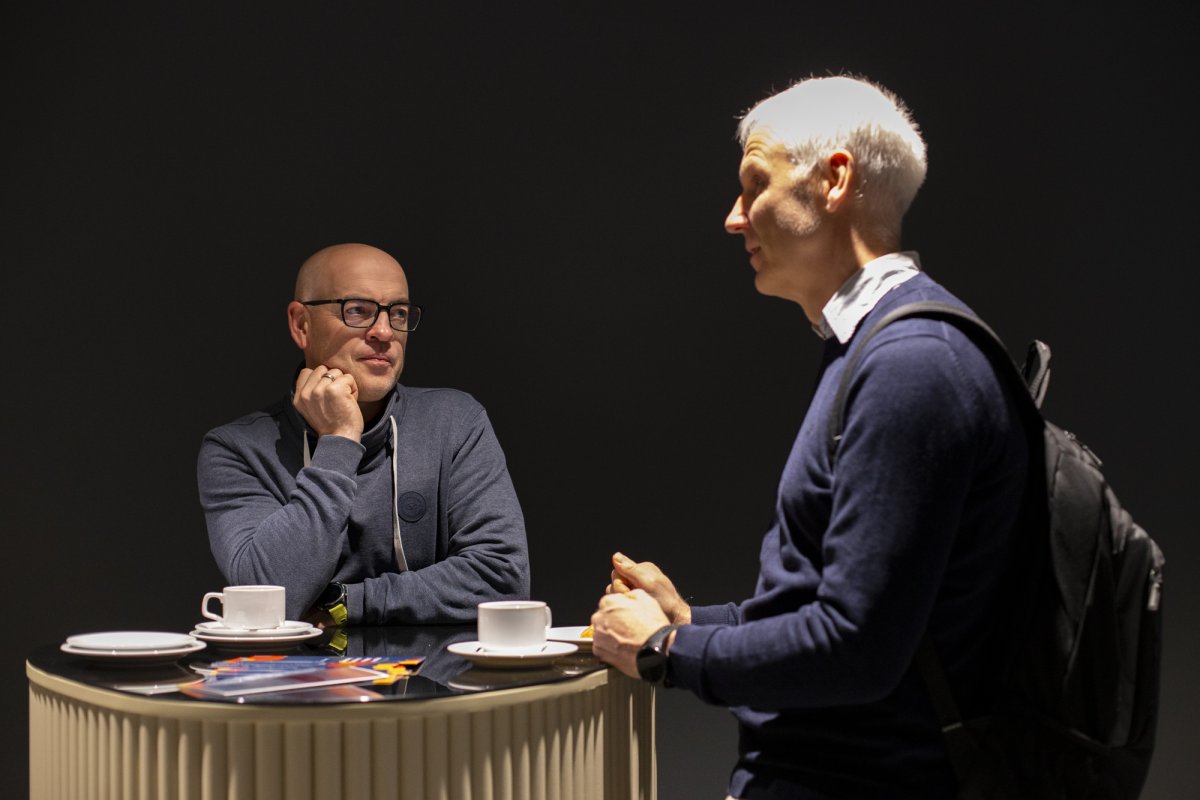
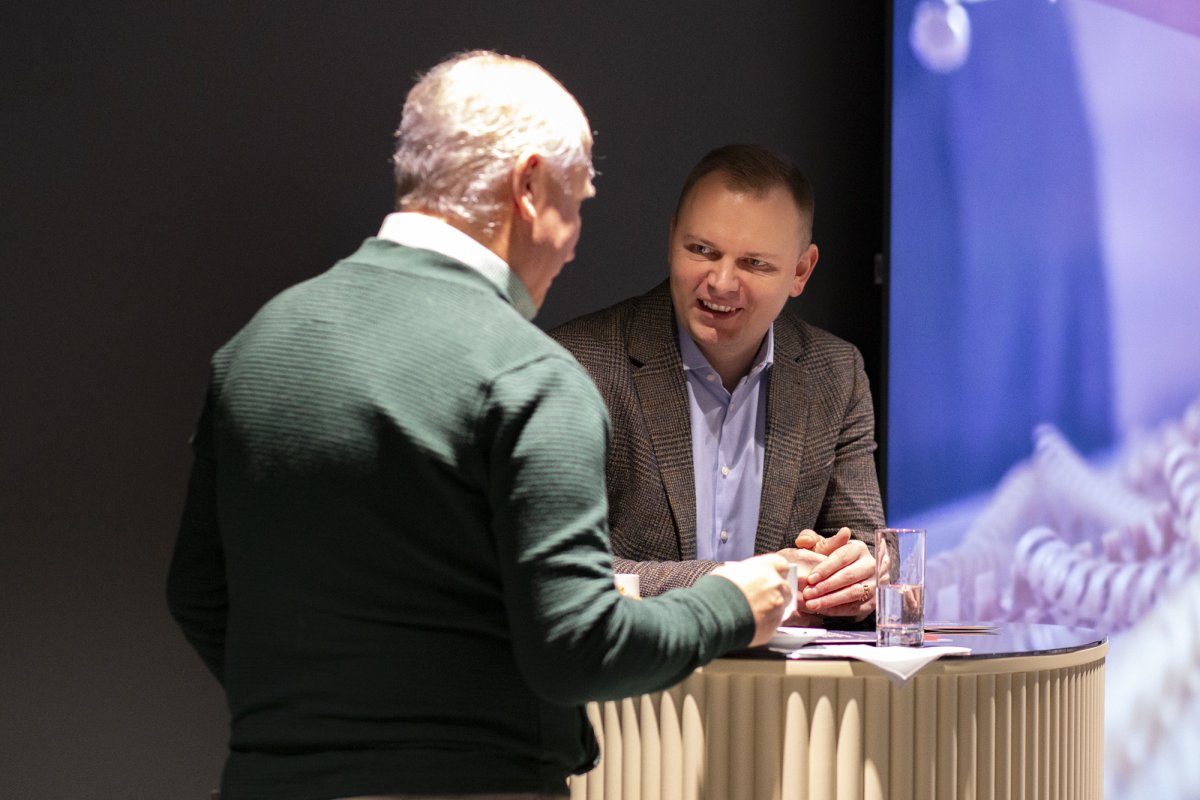
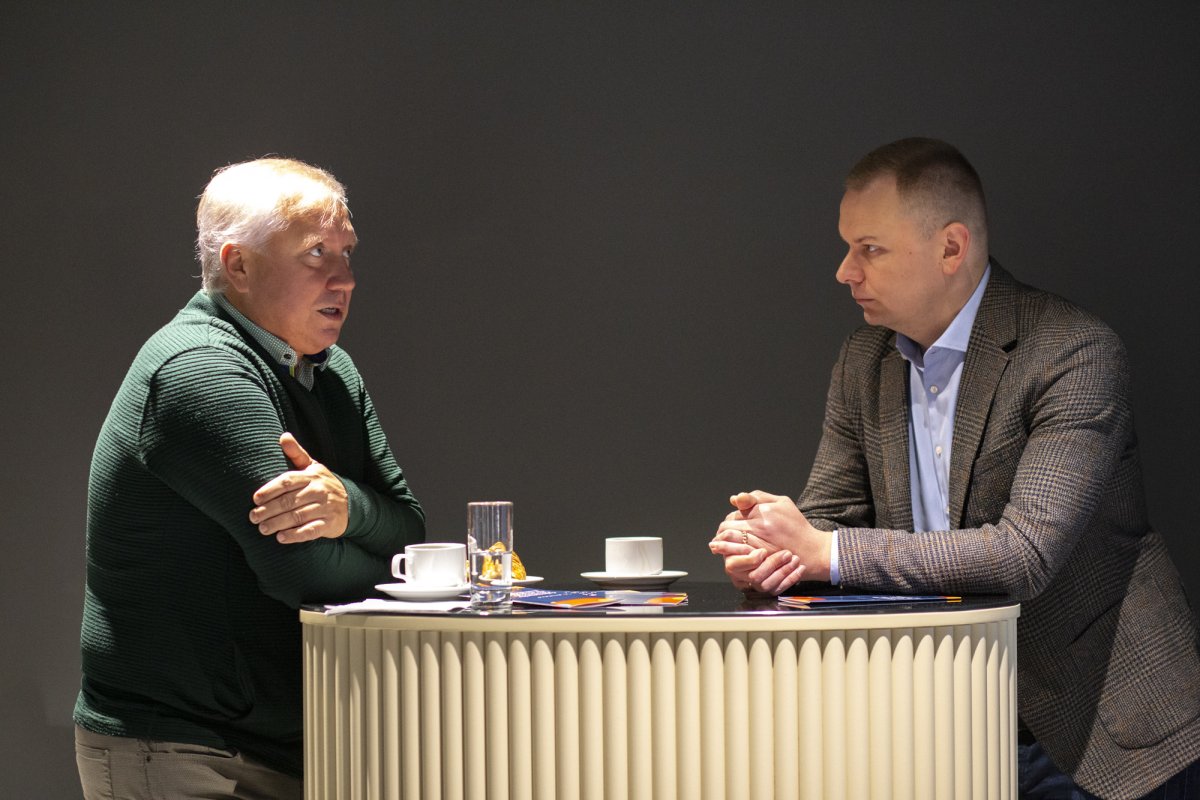
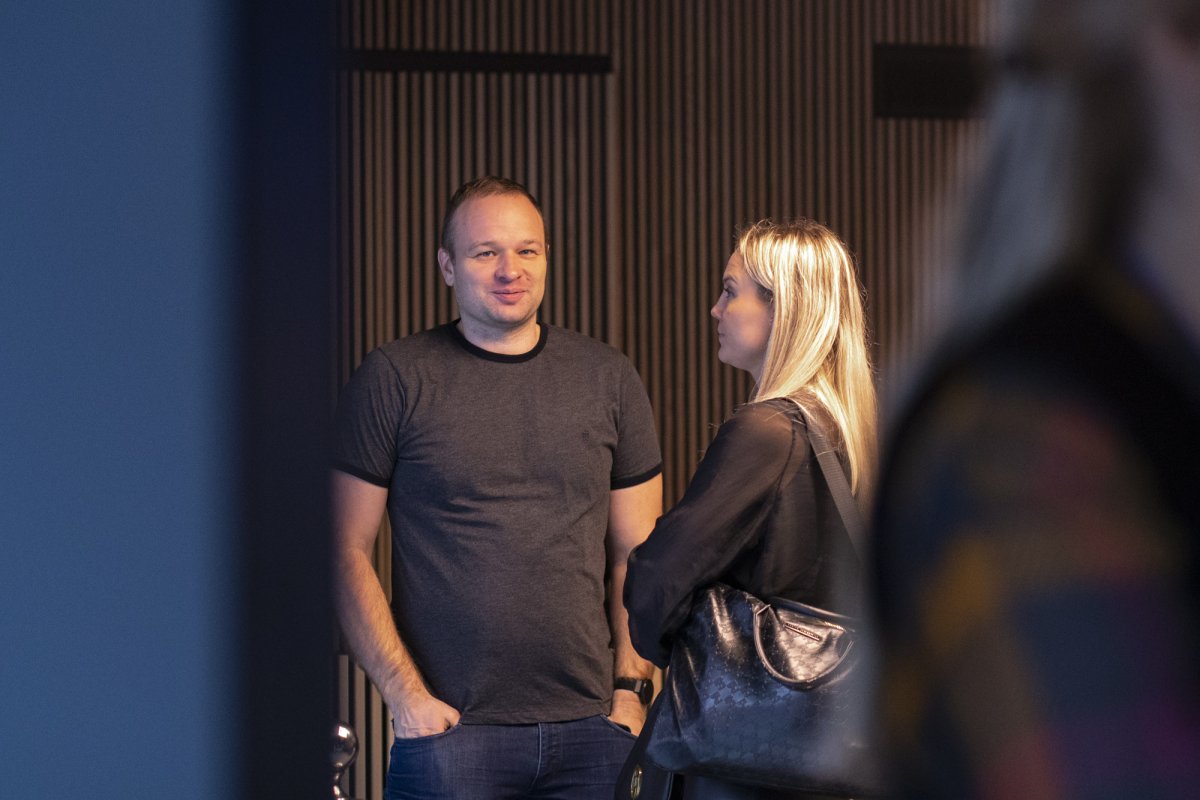
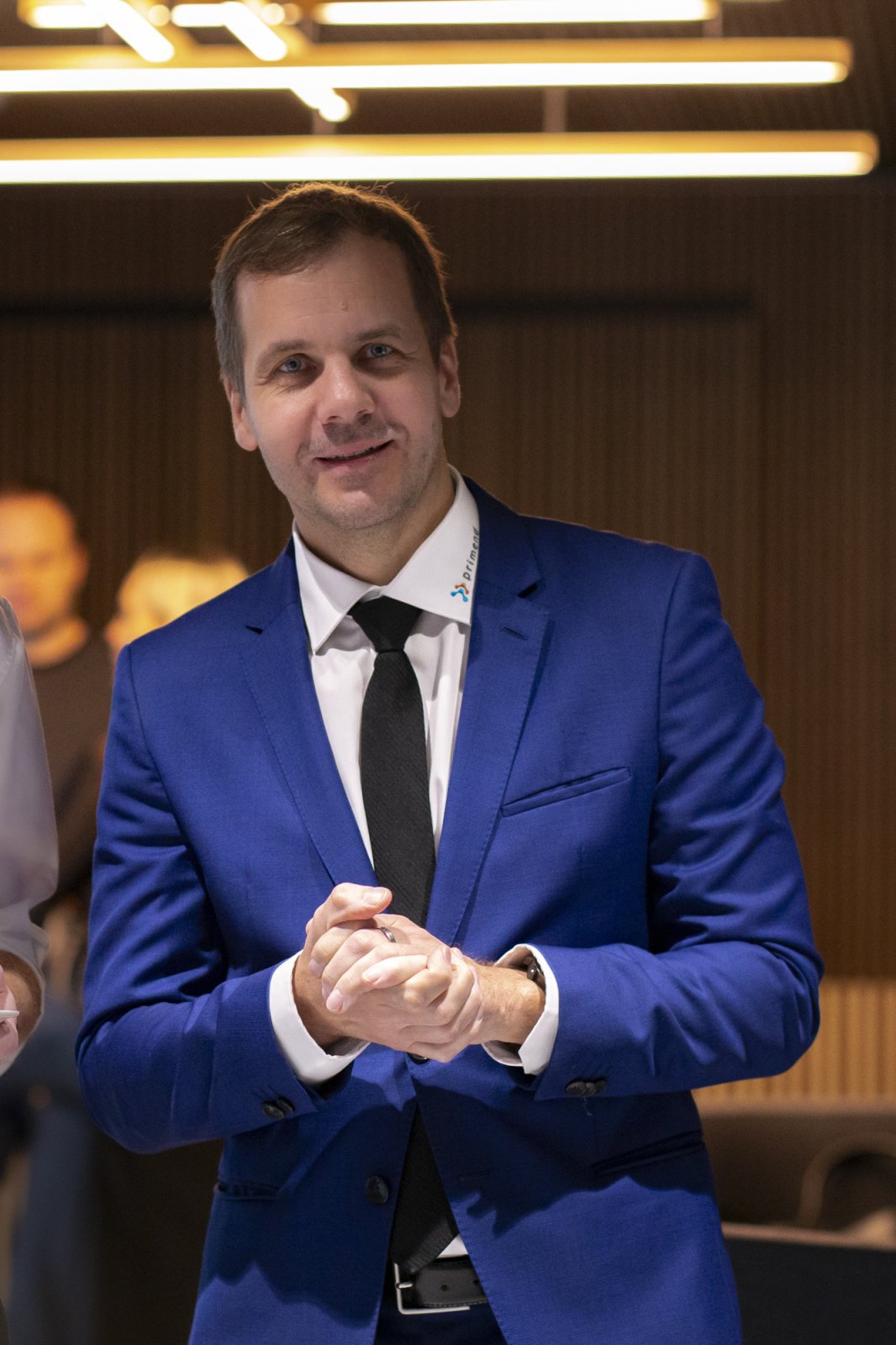
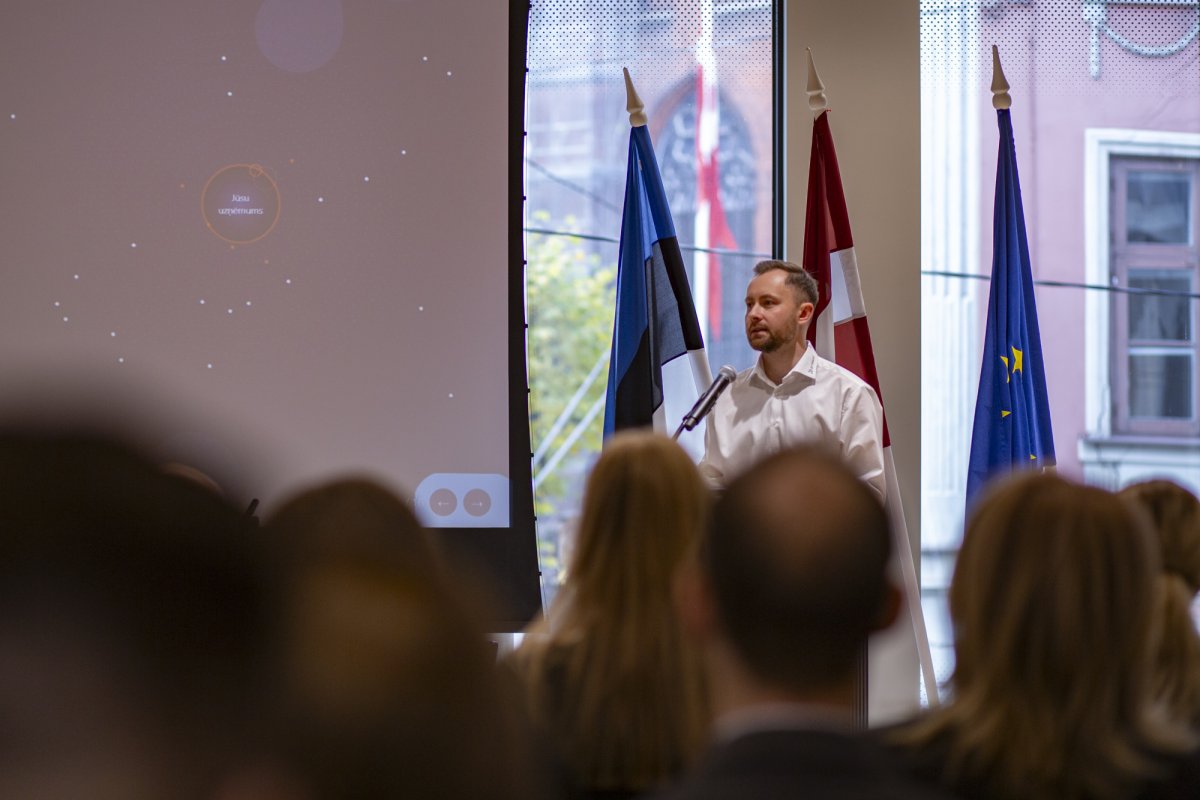
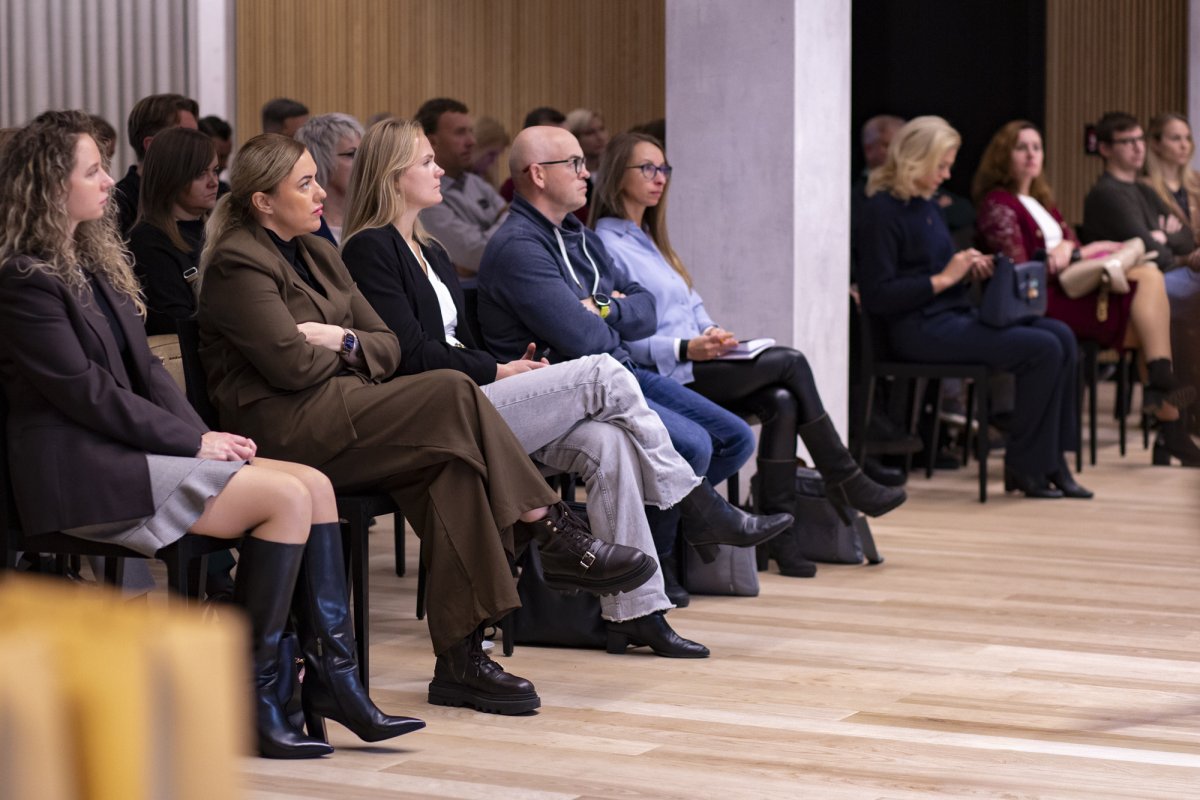
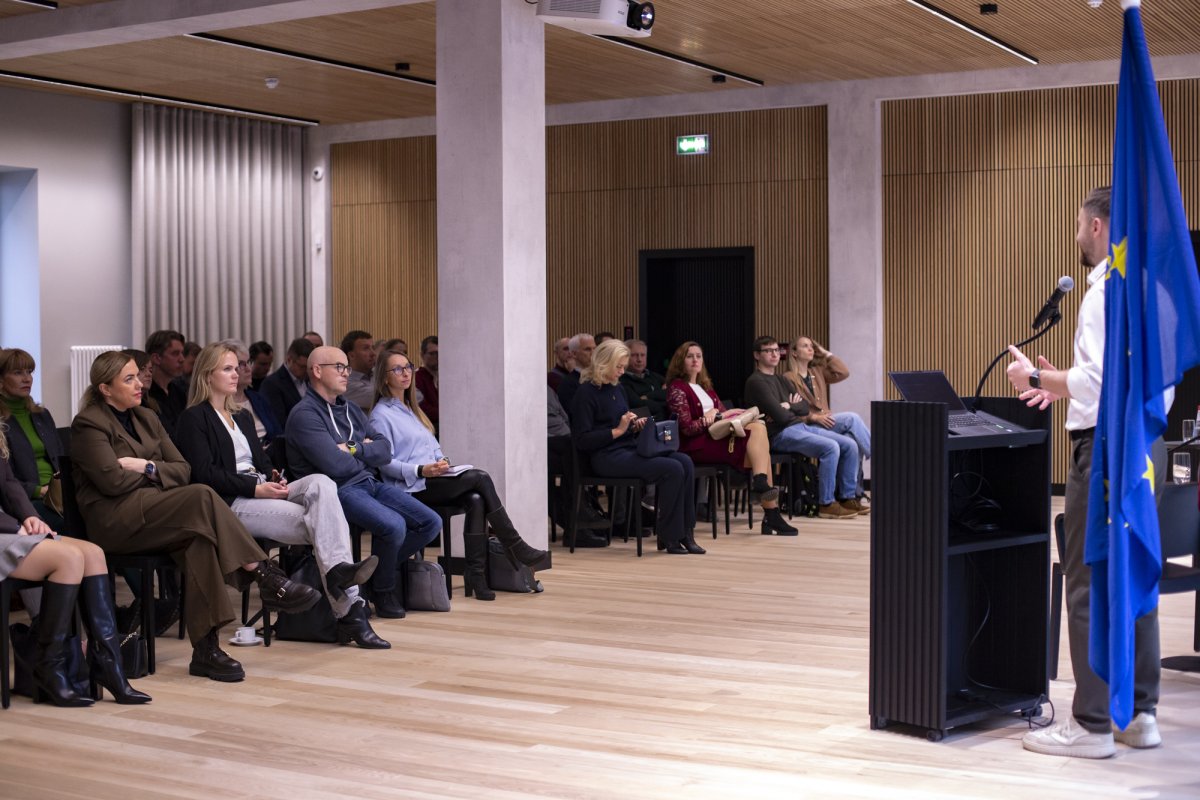
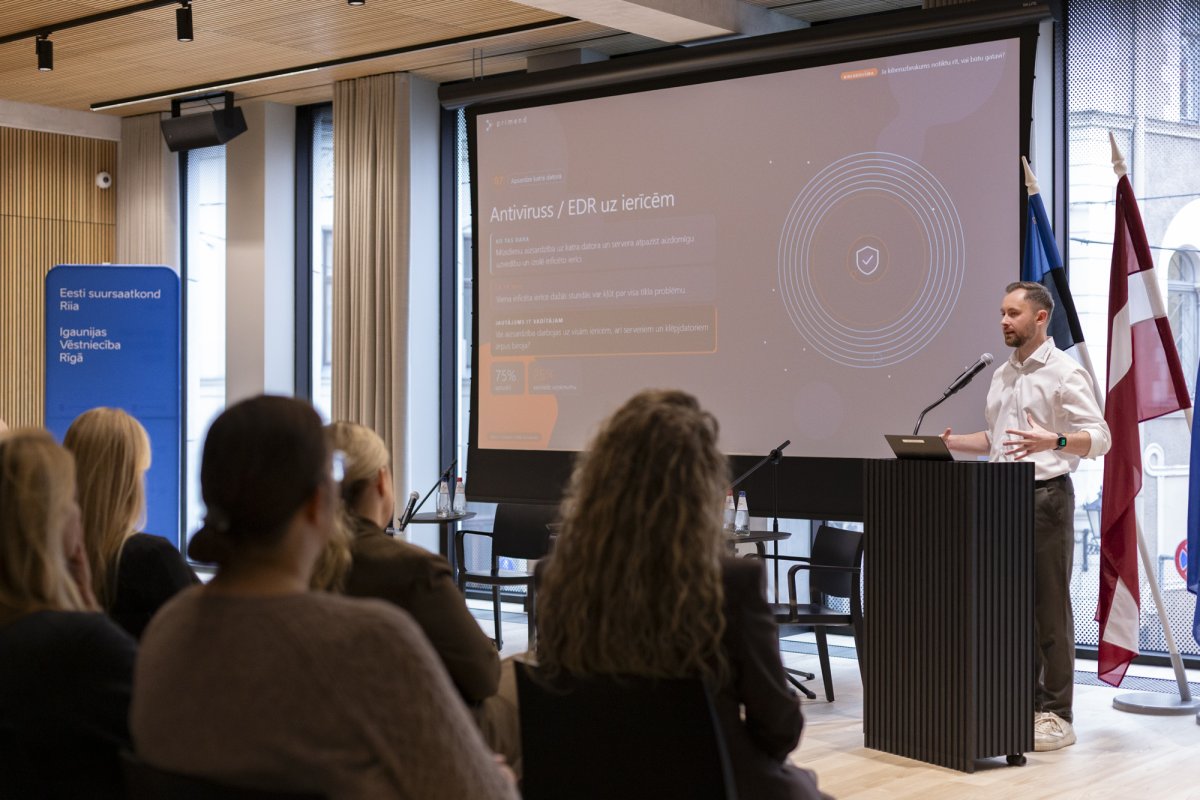
The Baltic Leaders’ Morning at the Estonian Embassy in Riga brought together business leaders, Primend clients, and partners for expert discussions, Q&A, and networking on cybersecurity and business resilience.